Feeling secure at home involves more than having a bed and regular meals. Predictability, freedom to retreat and opportunities for natural behaviour help pets manage daily life. Look for practical ways to give your dog or cat more choice while noticing changes that may also need professional attention.
Notice changes without guessing the cause
Dogs may pace, pant when not hot, scan the room or become unusually vocal. Cats may hide more, overgroom, avoid shared spaces or change their eating and toileting habits. These signs can also accompany pain or illness, so a new behavior should not automatically be labeled stress.
Record when the change happens and what surrounds it: visitors, noise, conflict over resources or a disrupted routine. Seek veterinary advice for persistent changes, self-injury or reduced eating; do not wait for a fixed number of weeks if your pet is struggling.
Give dogs somewhere to switch off
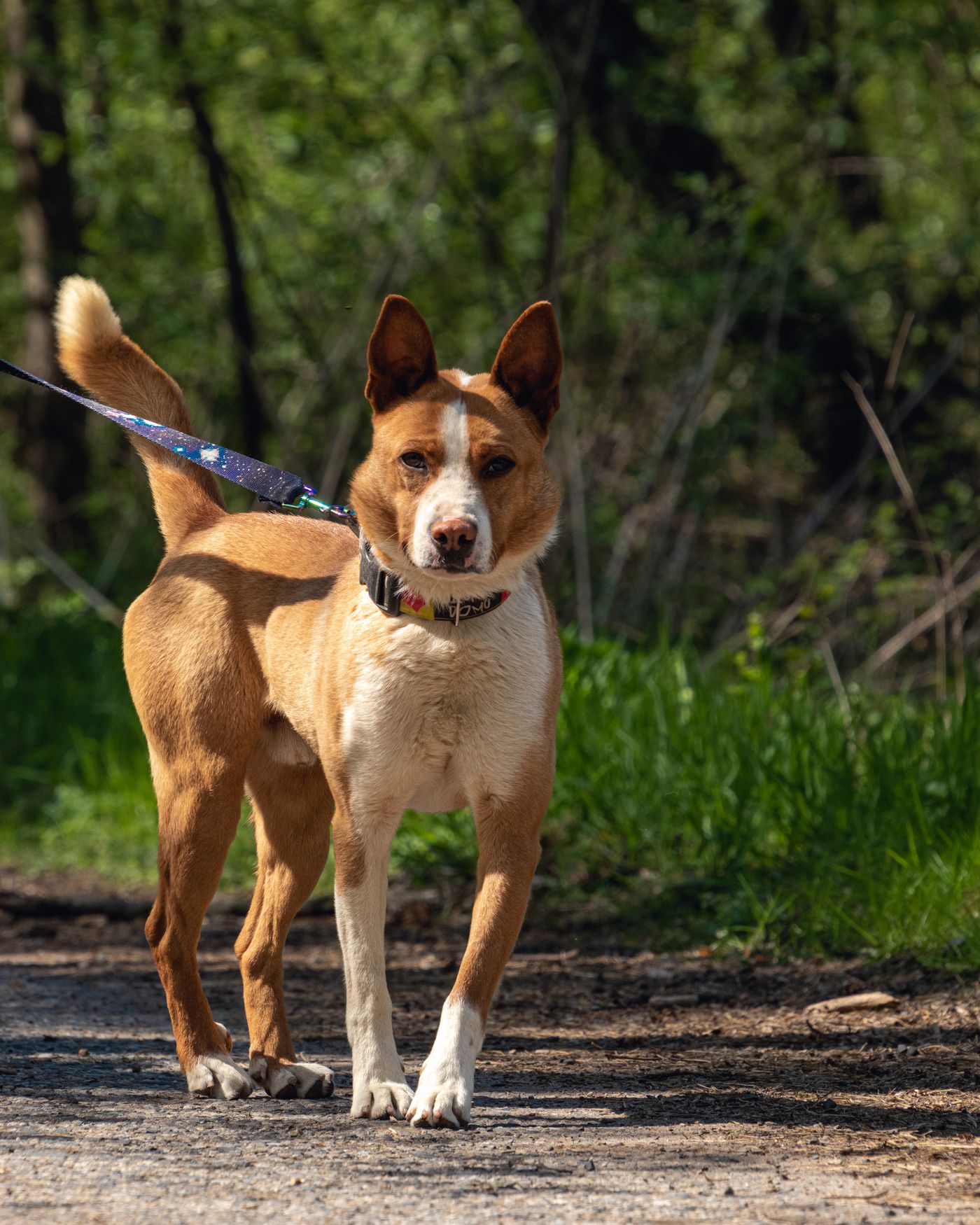
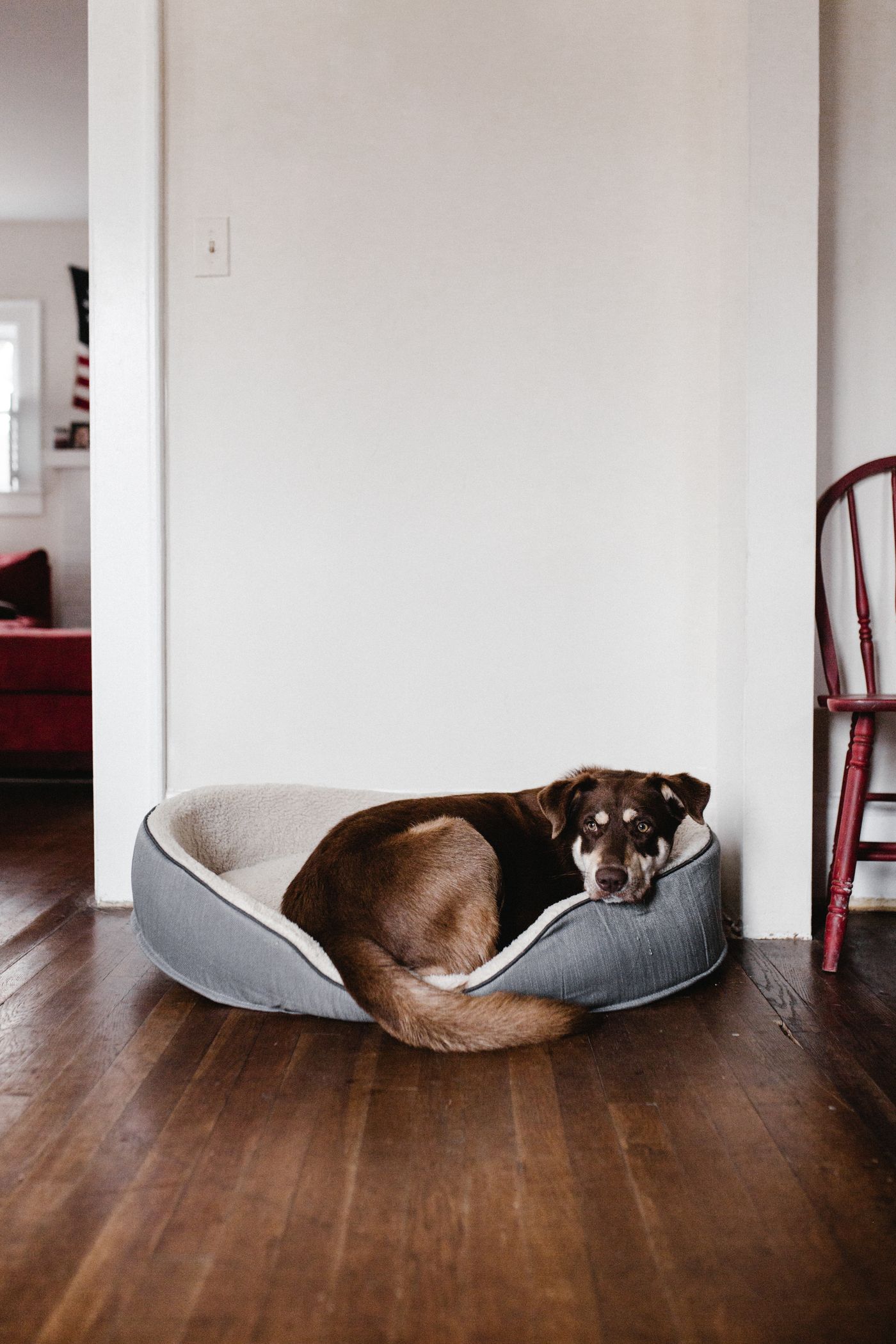
Provide a quiet resting area where nobody disturbs the dog. Offer manageable sniffing games, food puzzles and walks with time to explore. Introduce new activities at an easy level, and allow recovery after busy outings. A dog does not need constant stimulation to have a good day.
Give cats choice and access
Add stable elevated resting places, hiding spots and scratching surfaces. In homes with several cats, spread food, water, resting places and litter boxes across separate locations. A resource is not truly available if another animal can block the route to it.
Change one thing, then observe
Lower unnecessary noise, keep interactions gentle and invite contact instead of insisting on it. Make small adjustments and look for easier rest, normal eating and more relaxed exploration. Enrichment supports wellbeing, but pain, severe anxiety or ongoing household conflict may need professional help as well.
ONE THING TO TAKE WITH YOU
Predictability, accessible resources and the freedom to retreat are the foundations of a calm home.
FURTHER READING
Editorially checked on 23 November 2026. Sources are provided for further reading; this is not an individual veterinary assessment.
General editorial information. Your veterinary team can advise on the needs and health of your individual pet.