An occasional food-related smell is different from breath that stays unpleasant. Changes in the gums, teeth or other health conditions can contribute, and neither smell nor a quick look at the teeth can identify the problem. Combine careful observation with veterinary assessment and comfortable home care.
Watch the way your pet eats
Dropping food, chewing on one side, refusing familiar textures or approaching the bowl and walking away can be clues to discomfort. Also notice drooling, pawing at the mouth, bleeding, swelling or a new reluctance to play with toys. Pets may continue eating despite dental pain.
Arrange a veterinary examination for persistent odor or any sign of oral discomfort. A painful mouth needs assessment before you start brushing. Severe swelling, inability to eat or marked illness warrants prompt care.
Introduce brushing in small stages
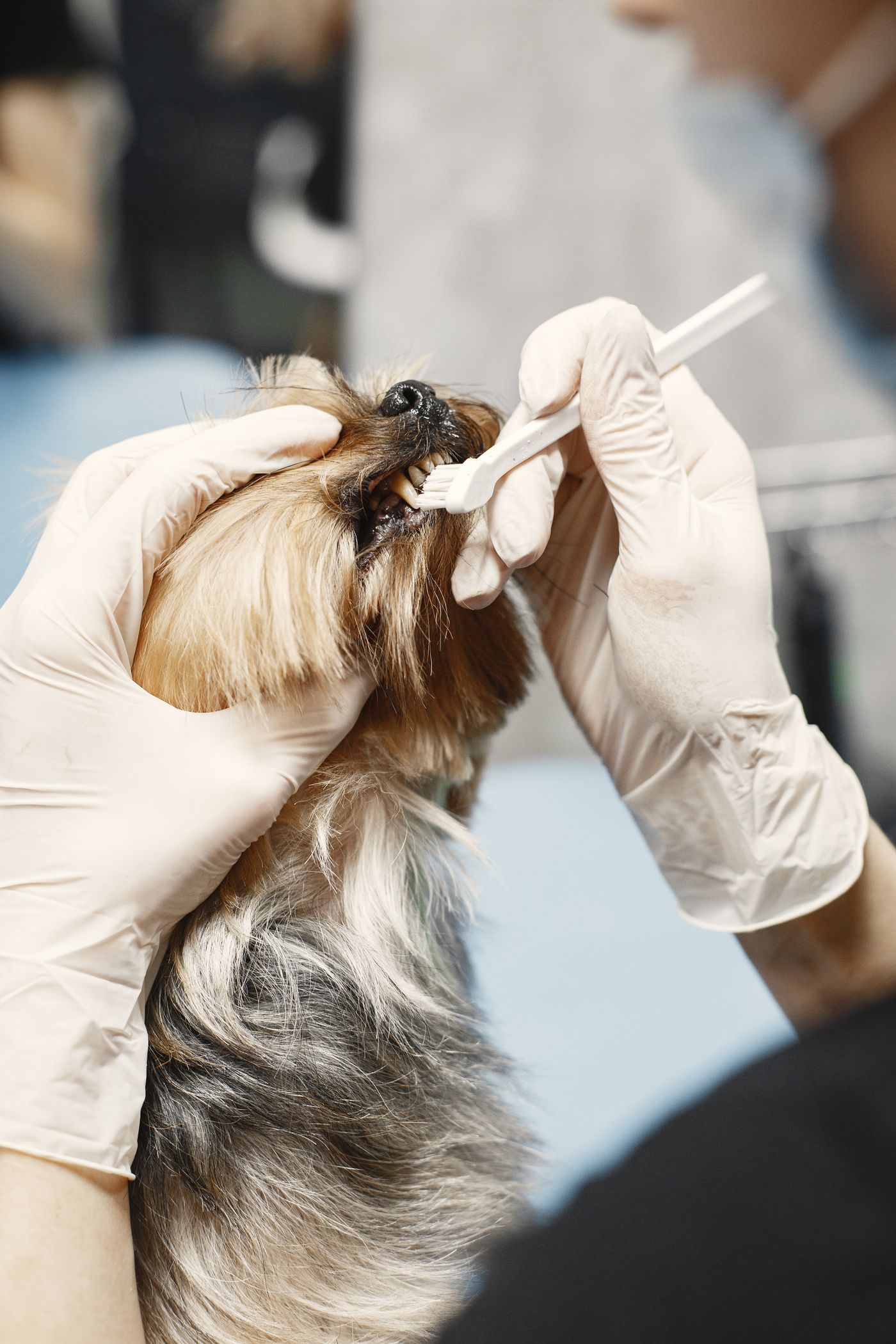
Begin while your pet is relaxed. Briefly touch the cheek, reward calm acceptance and stop. Over several comfortable sessions, progress to lifting one lip, tasting pet toothpaste and touching a few outer tooth surfaces with a soft brush. Let your pet move away when needed.
Daily brushing is a useful goal once the routine is comfortable. Use pet-specific toothpaste and a brush sized for the mouth. Do not force the jaws open or scrub inflamed areas. A short, pleasant attempt is a better foundation than a long struggle.
Choose supporting products carefully
Dental treats, diets and water additives have different roles. Ask about suitable products with evidence of plaque or tartar control, such as items accepted by the Veterinary Oral Health Council. Account for treat calories and avoid very hard chews that can damage teeth.
Know what home care cannot do
Brushing reduces soft plaque; it does not remove established calculus or treat hidden disease. Do not scrape teeth at home. Veterinary dental care may include anesthesia, radiographs and treatment selected for your pet's findings. Comfortable daily care and professional assessment work together.
ONE THING TO TAKE WITH YOU
Persistent bad breath is a reason to investigate, not simply to brush harder.
FURTHER READING
Editorially checked on 23 November 2026. Sources are provided for further reading; this is not an individual veterinary assessment.
General editorial information. Your veterinary team can advise on the needs and health of your individual pet.