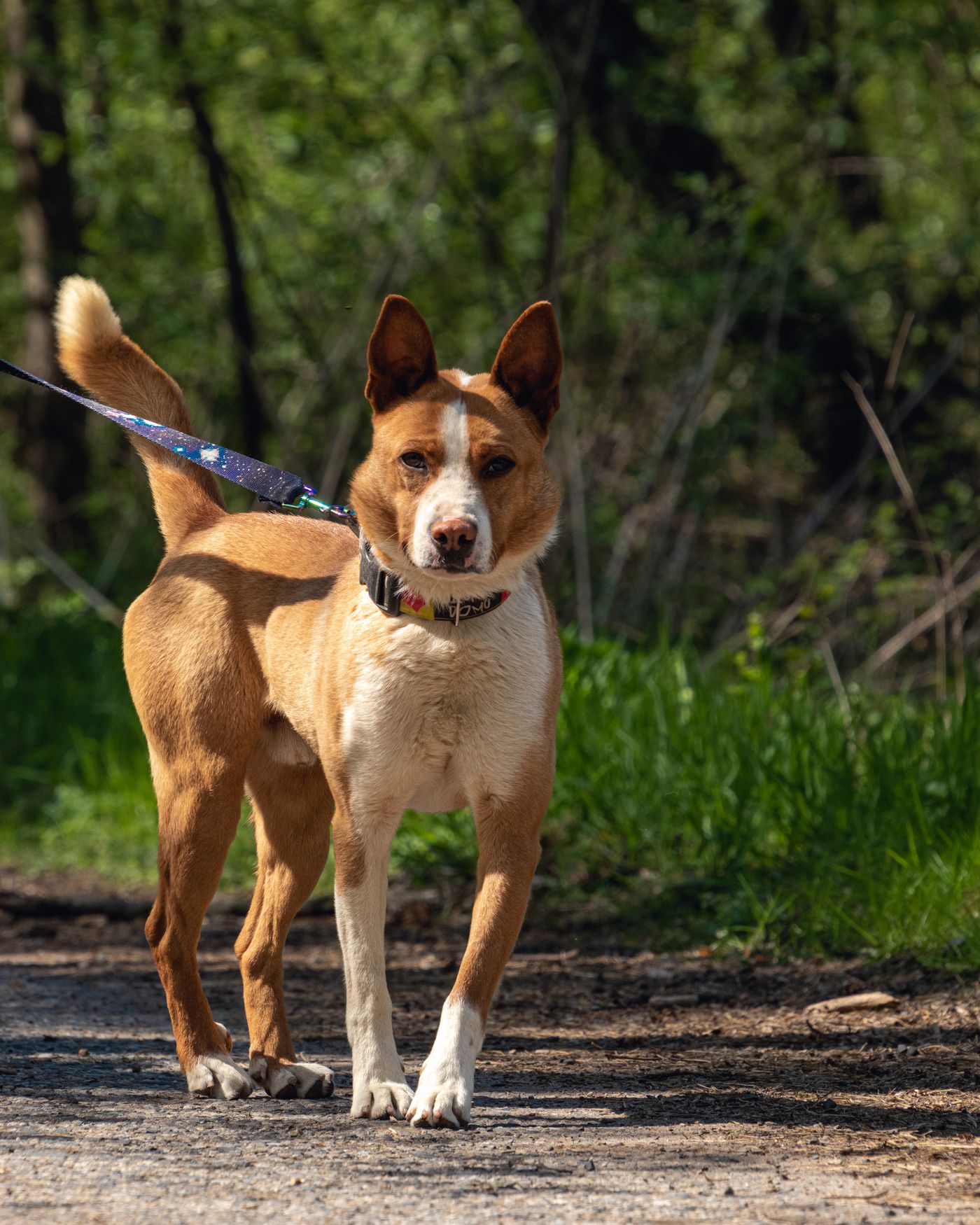
Summer changes the demands of even a familiar walk. Sunshine, humidity and the temperature of the surface matter alongside the air temperature. Plan around your dog's comfort, carrying what you need and staying willing to shorten the outing or choose an indoor alternative.
Choose the conditions before the distance
Prefer cooler parts of the day and shaded routes with easy ways home. Ground surfaces may stay hot after the air begins to cool. Check them before setting out, and avoid prolonged exposure to sun-baked pavement. A quick hand check is only a warning screen, not a guarantee of safety.
Flat-faced dogs, older pets, puppies and dogs with health conditions may need particular care. Ask your veterinarian about activity limits when breathing, heart or mobility problems are present.
Pack a small, useful kit
Bring fresh water, a bowl, waste bags and a secure leash attached to comfortable equipment. Offer pauses in shade and let your dog set a gentler pace. Booties require careful fitting and acclimation; they do not make an otherwise unsafe walk safe.
Use indoor sniffing games or short training sessions when outdoor exercise is limited. Mental activity can add variety without turning the day into an endurance test.
Recognize trouble early
Heavy or unusual panting, drooling, weakness, confusion or collapse can indicate heat illness. Stop immediately, move into shade or air conditioning, begin cooling with cool running water over the body below the neck and airflow, keeping the nose and mouth clear, and contact an emergency veterinarian. Do not delay transport while waiting for your dog to appear normal. Avoid wrapping the body in wet towels that can retain heat.
Never leave a dog unattended in a vehicle, even with windows partly open. After an ordinary walk, give your dog water and a cool resting place, and watch how quickly normal comfort returns.
ONE THING TO TAKE WITH YOU
In hot weather, comfort and recovery matter more than completing the usual route.
FURTHER READING
Editorially checked on 23 November 2026. Sources are provided for further reading; this is not an individual veterinary assessment.
General editorial information. Your veterinary team can advise on the needs and health of your individual pet.