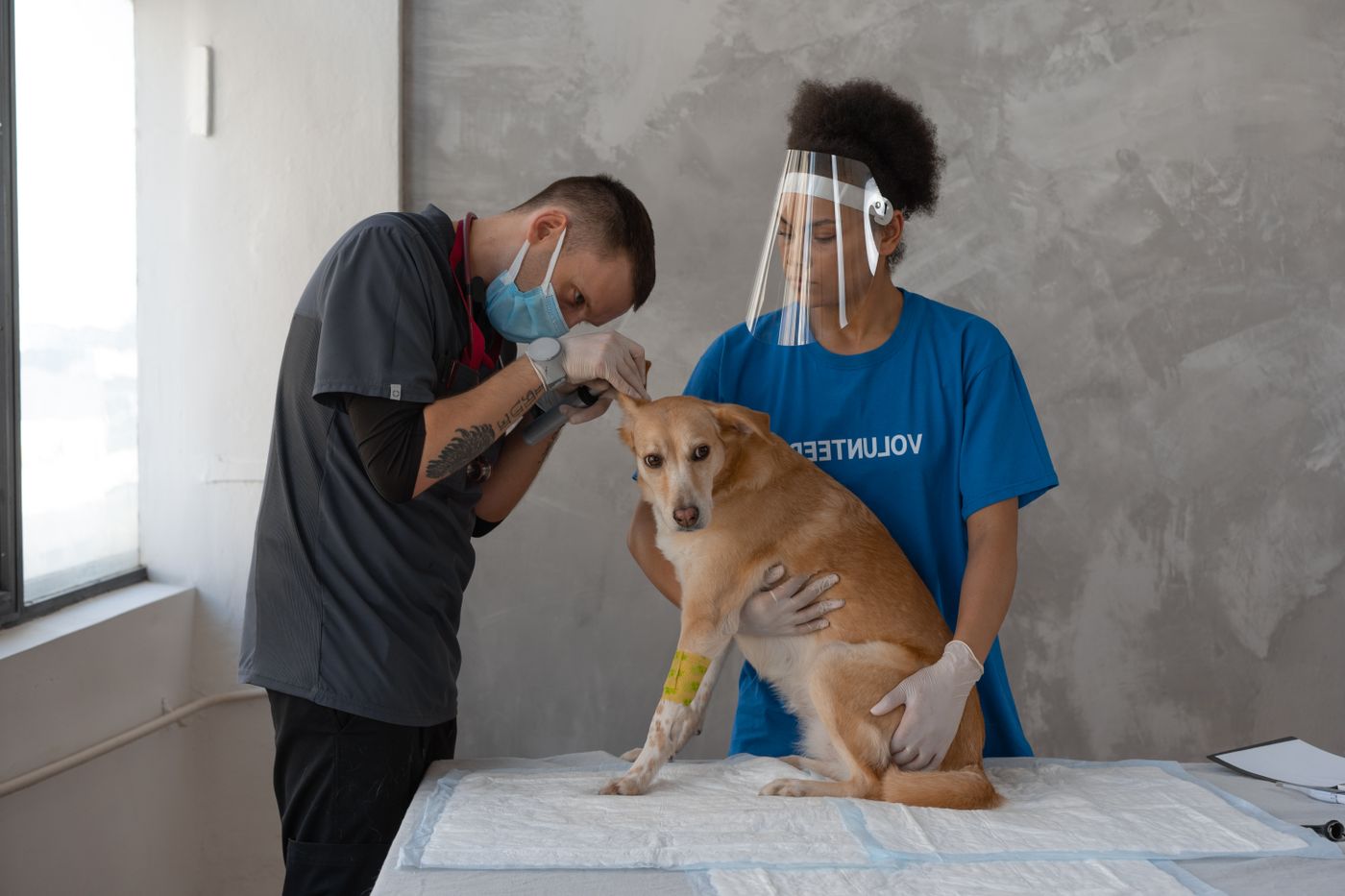
First aid is a bridge to veterinary care, not a replacement for an examination or treatment. Keep emergency contacts and a transport plan available before an incident occurs. The actions below focus on safer support while professional help is being arranged.
Suspected poisoning or a swallowed object
Remove access to the substance if safe and contact a veterinarian or an animal poison service immediately. Keep the packaging and note what, how much and when the pet may have swallowed. Do not wait for symptoms.
Do not induce vomiting unless a veterinary professional specifically instructs you. Salt water, soap, soda and forced large drinks can cause serious harm. Do not pull string protruding from the mouth or anus.
Bleeding and injury
Apply steady pressure with a clean cloth or dressing to external bleeding while arranging care. If it soaks through, add another layer rather than repeatedly lifting it to check. Avoid tight improvised tourniquets or removing deeply embedded objects. Handle the pet gently; pain can cause defensive biting.
Heat illness
Move to a cooler place, begin cooling with cool running water over the body below the neck and airflow, keeping the nose and mouth clear, and contact emergency veterinary care. Do not delay travel to see whether symptoms resolve. Avoid wrapping the body in wet towels or forcing water into an animal that cannot swallow normally.
Collapse, seizures or breathing difficulty
Treat these as urgent. Clear nearby hazards during a seizure, keep hands away from the mouth and time the event if possible. Follow the emergency clinic's instructions for transport.
Keep a basic kit with clean dressings, gauze, saline, a towel and contact details. A recognized pet first-aid course can help you practice skills before an emergency occurs.
ONE THING TO TAKE WITH YOU
Call for professional guidance promptly, and never improvise vomiting or medication.
FURTHER READING
Editorially checked on 23 November 2026. Sources are provided for further reading; this is not an individual veterinary assessment.
General editorial information. Your veterinary team can advise on the needs and health of your individual pet.