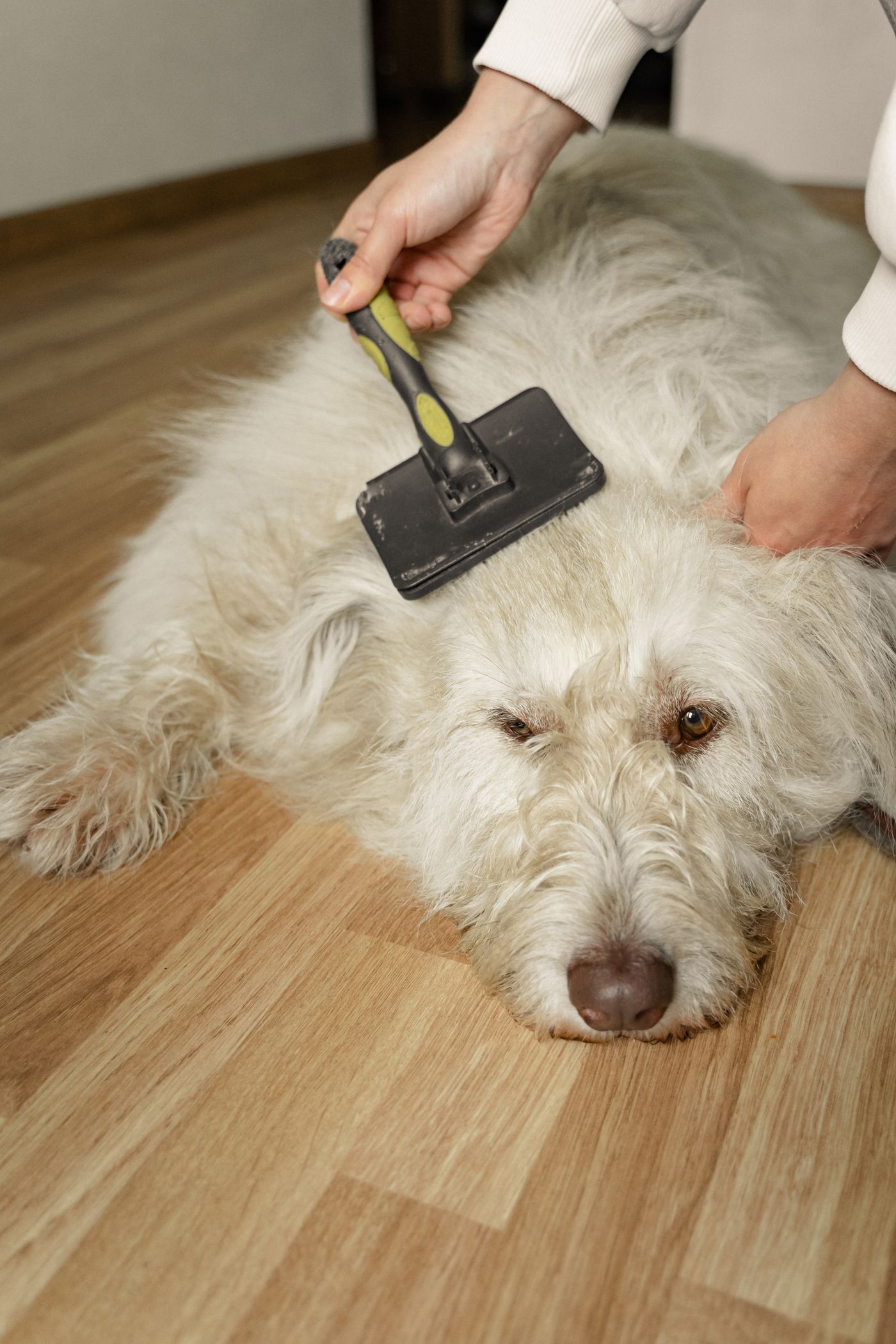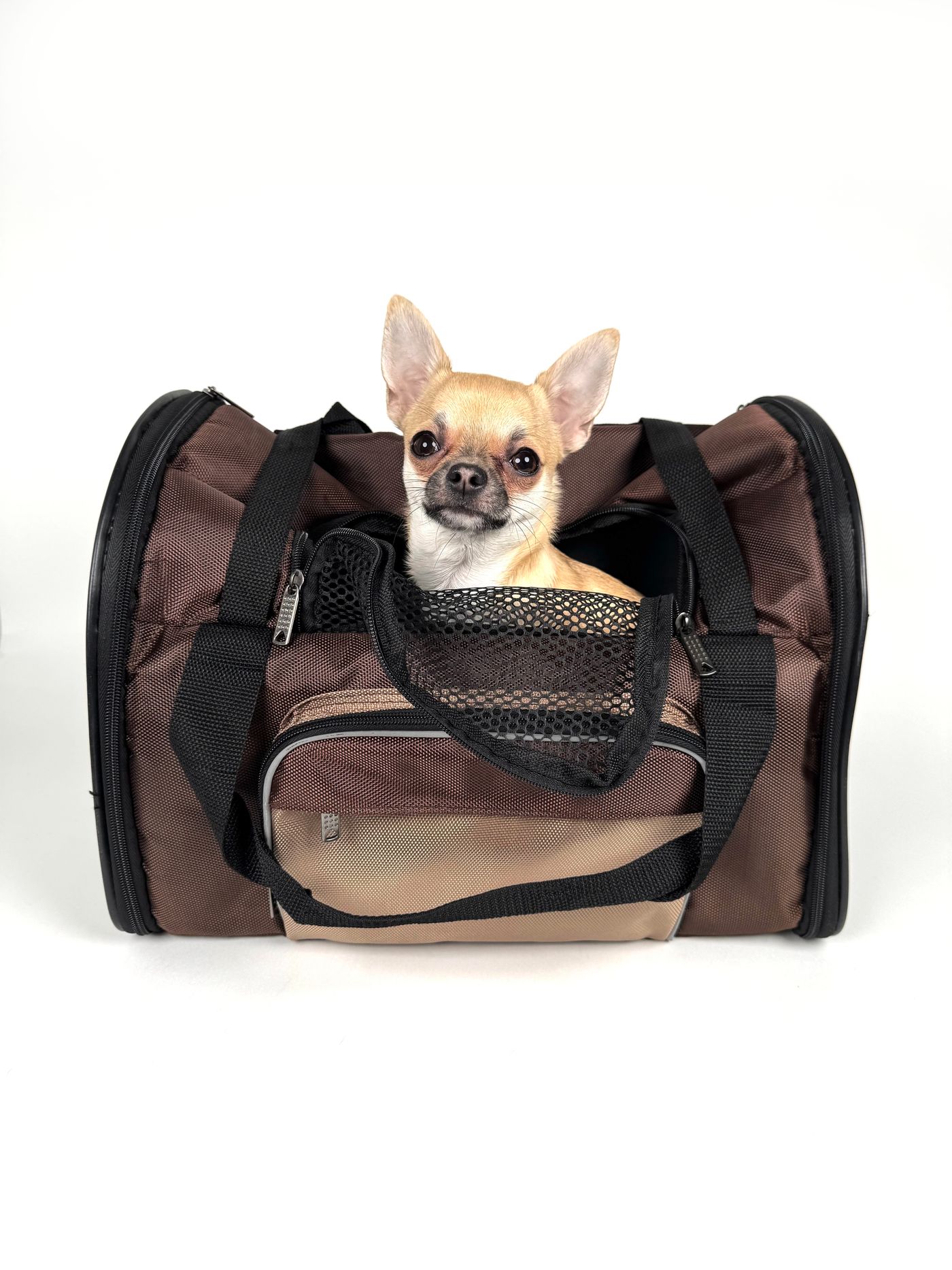
An emergency departure is easier when essential pet supplies are already gathered. A compact bag supports the household's transport and care plan rather than replacing it. Prepare for continuity, identification and somewhere suitable to go, then review what is packed.
Pack for continuity
Include familiar food, water, bowls, waste supplies, bedding and suitable walking or transport equipment. Keep prescribed medication with its instructions and rotate supplies before they expire. Cats need a practical litter arrangement as well as a secure carrier.
Keep identification accessible
Store copies of relevant health records, microchip details and a recent photograph. Include your contact details and a backup person who can help. Keep digital copies accessible, but do not rely entirely on a phone that may lose power.
Decide where you can go
Identify places that can accommodate your animals and check their requirements directly. Agree who collects each pet and how doors will be managed. Practice entering carriers calmly during ordinary days rather than introducing them during an alarm.
Review the plan
Check the bag periodically and after changes in medication, diet or household animals. A first-aid kit supports transport but does not replace veterinary care. Follow local emergency instructions and avoid entering an unsafe area to retrieve equipment.
Preparation cannot remove every uncertainty. It can make the first important actions clearer when time and attention are limited.
ONE THING TO TAKE WITH YOU
Prepare transport, identification and familiar care supplies before an emergency occurs.
FURTHER READING
Editorially checked on 23 November 2026. Sources are provided for further reading; this is not an individual veterinary assessment.
General editorial information. Your veterinary team can advise on the needs and health of your individual pet.