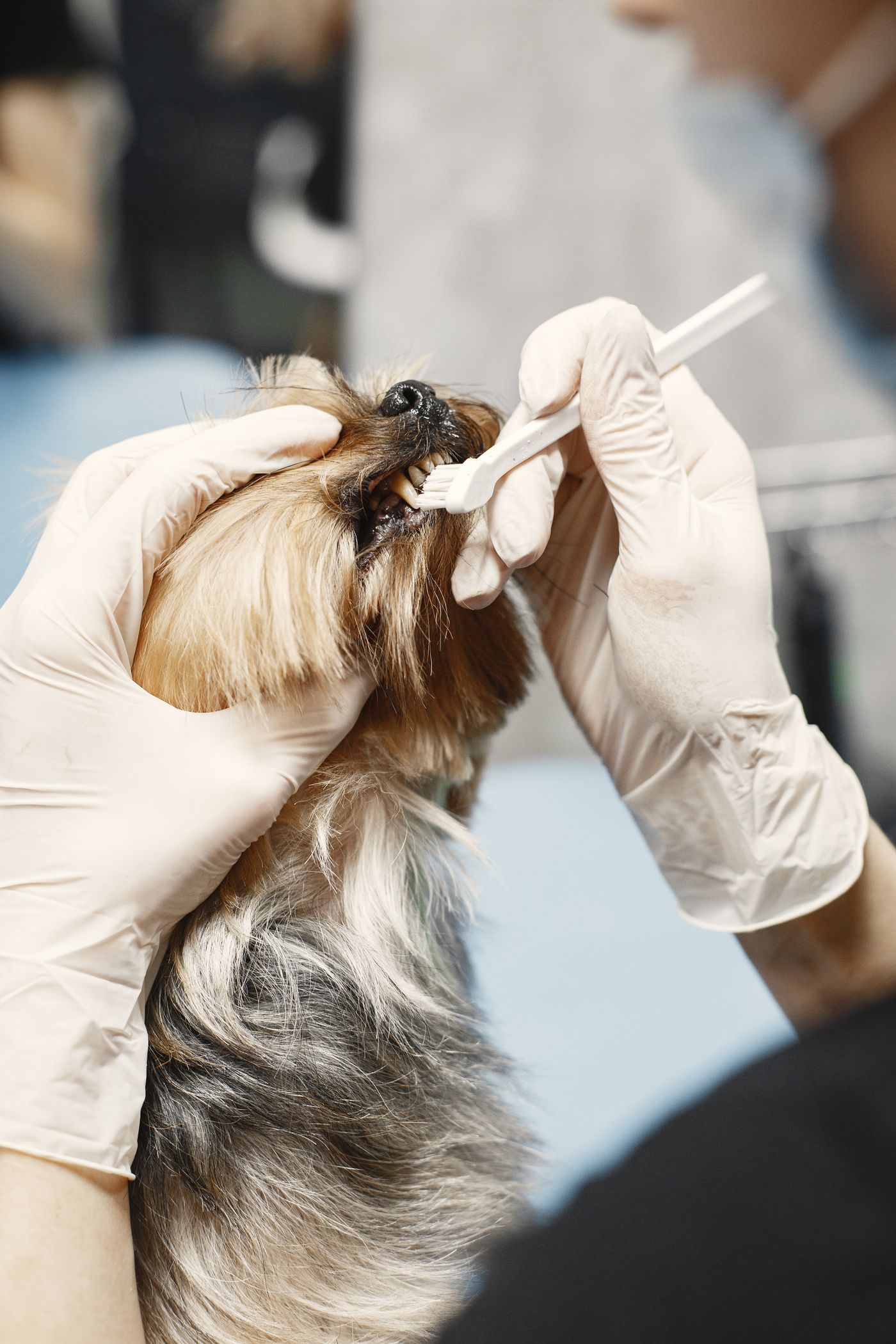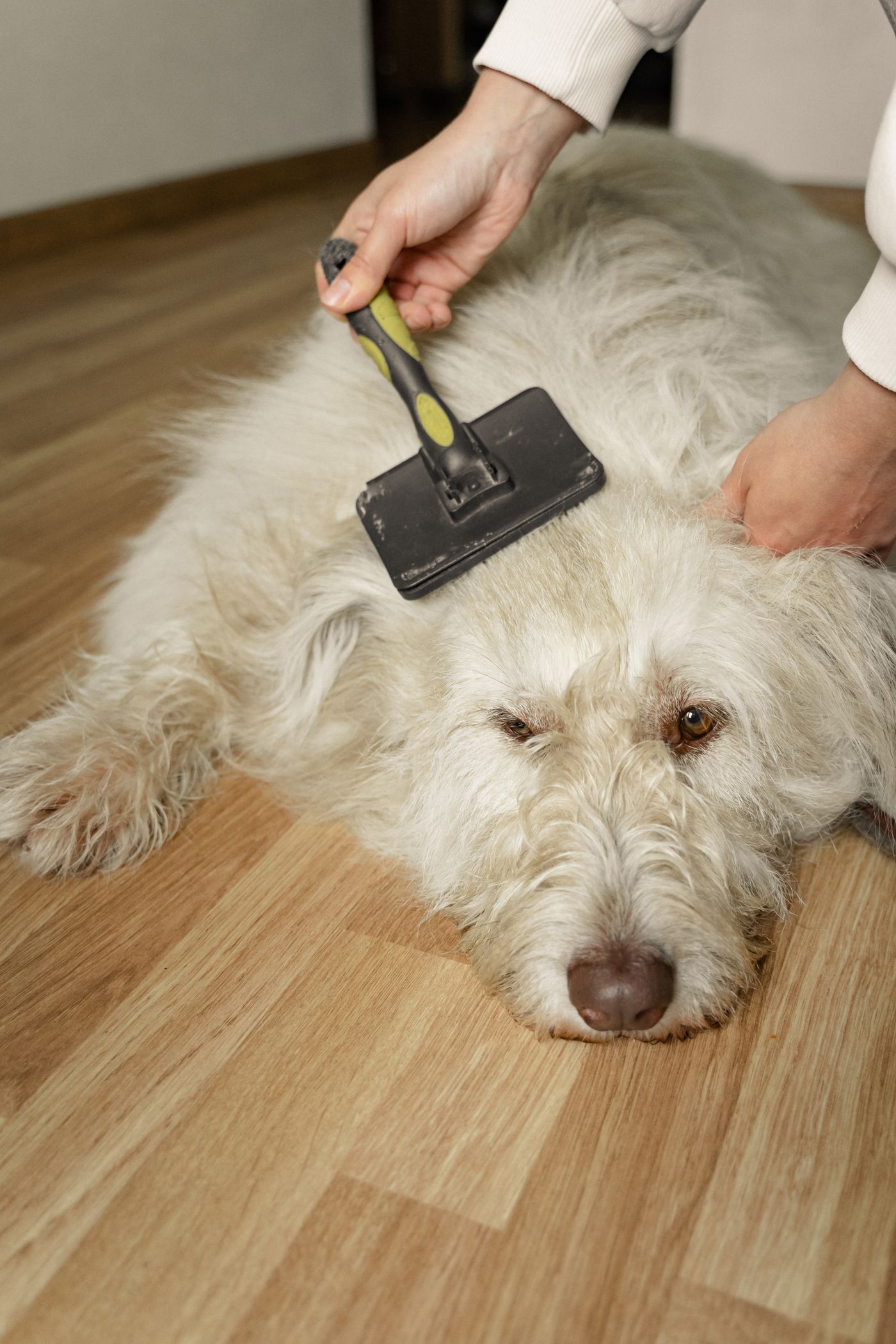
Natural is a marketing description, not proof of safety or effective parasite prevention. Homemade citrus, vinegar or herbal mixtures can be unreliable or harmful. Focus on an individual prevention plan, household maintenance and appropriate products instead of substituting untested remedies.
Choose prevention for the individual animal
Ask your veterinarian about suitable products based on species, age, weight, health and local exposure. Follow the label exactly and do not split or substitute a dog product for a cat product. Some ingredients used in dog treatments, including permethrin, can be highly dangerous to cats.
Check instructions about contact between treated animals and other pets. Keep products stored securely and record when the next application or dose is due.
Make the home part of the plan
Wash bedding as appropriate, vacuum resting areas and manage the environment if an infestation is present. All relevant household animals may need a coordinated plan; treating only the pet with visible fleas can leave the problem cycling.
Inspect after outings
Check the coat and common hiding areas after long grass or wooded routes. Use appropriate tick-removal technique or ask your veterinary team to demonstrate. Do not burn ticks or coat them in household chemicals.
Respond to problems promptly
Persistent itching, skin wounds or suspected treatment reactions needs advice. If a cat is exposed to a dog-only parasite product, contact a veterinarian urgently.
Cleaning and observation are valuable supporting habits. They work best alongside a prevention plan with evidence for the parasites your pet actually faces.
ONE THING TO TAKE WITH YOU
Use species-appropriate, evidence-based prevention; 'natural' does not guarantee safety or protection.
FURTHER READING
Editorially checked on 23 November 2026. Sources are provided for further reading; this is not an individual veterinary assessment.
General editorial information. Your veterinary team can advise on the needs and health of your individual pet.