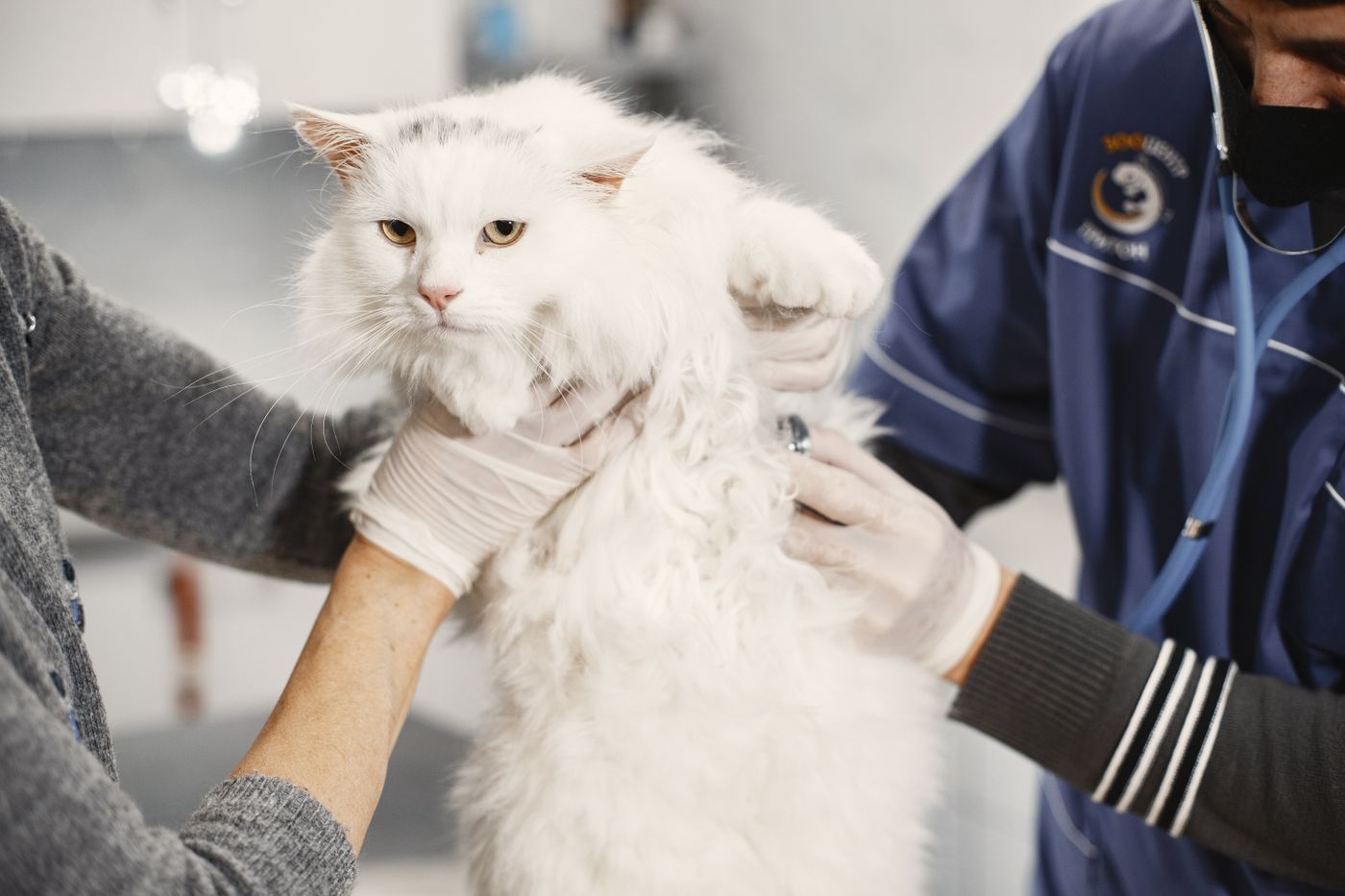
Some cats show several small changes before an illness becomes obvious, while other problems appear suddenly. Knowing the ordinary routine helps you notice a difference without claiming to prevent every surprise. Treat these fourteen observations as reasons to seek advice, not a diagnostic test.
Changes to keep on your radar
- Hiding more than usual.
- Reduced interest in meals.
- A noticeable change in thirst.
- Smaller or fewer urine clumps.
- Repeated or painful toilet attempts.
- Persistent diarrhea or constipation.
- Repeated vomiting.
- An unkempt or greasy coat.
- Excessive licking or bald patches.
- New irritability or sensitivity to touch.
- Reluctance to jump or climb.
- An unusual hunched or tense resting posture.
- New vocalizing, restlessness or confusion.
- Altered breathing, especially open-mouth or labored breathing.
Know the urgent exceptions
Difficulty breathing, collapse and inability to pass urine require emergency veterinary attention. A cat that stops eating needs prompt advice; do not assume a fixed observation window is safe. Significant pain, repeated vomiting or severe weakness also warrants timely contact.
Record the change clearly
Note when it began, whether it is continuous and what else has changed. Include medication, food transitions, possible exposures and actual intake where you can. A short video of movement or an unusual posture may help.
Keep the cat in a quiet, accessible space while arranging care, and avoid giving human medication. You do not have to know the cause to make a useful call to the clinic.
ONE THING TO TAKE WITH YOU
Compare with your cat's own baseline and do not delay care for breathing or urinary difficulty.
FURTHER READING
Editorially checked on 23 November 2026. Sources are provided for further reading; this is not an individual veterinary assessment.
General editorial information. Your veterinary team can advise on the needs and health of your individual pet.