A dog may find car travel difficult because of motion sickness, unfamiliar movement, past experiences or a combination. Signs such as drooling, restlessness and reluctance to approach need context. Consider veterinary assessment alongside a gradual introduction to the travel setup.
Start while parked
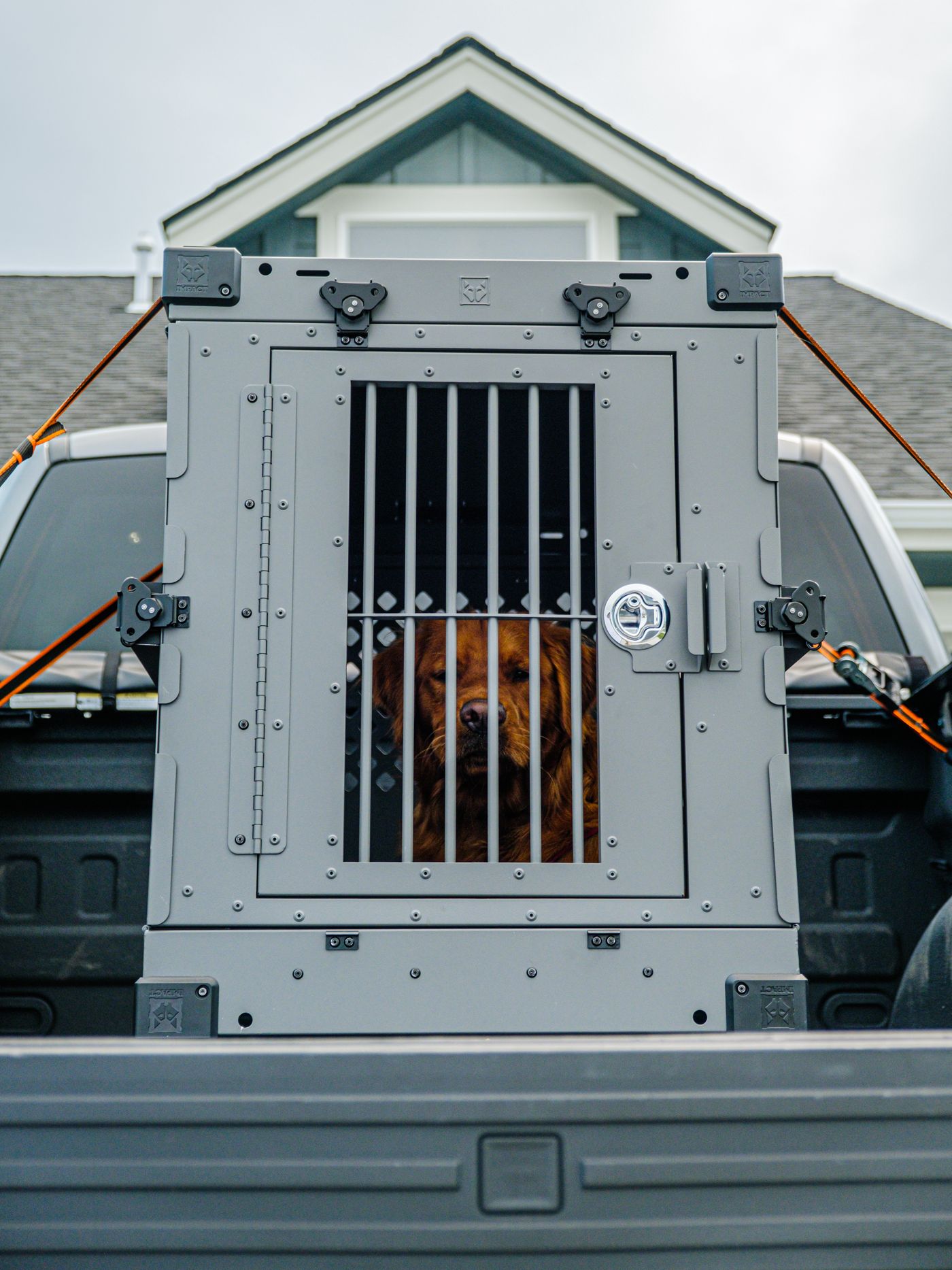
Introduce the vehicle in a quiet, safe place. Reward approaching, then entering voluntarily when practical. Use the carrier or restraint intended for travel and keep the engine off during the earliest practice. Let the dog leave before worry builds.
Add movement gradually
Progress to a brief engine-on session and then a very short journey only when the earlier step is comfortable. End at a pleasant, familiar place when possible. Do not make every ride predict an unpleasant appointment.
Plan the practical details
Secure the dog appropriately, maintain comfortable temperature and allow suitable rest and toilet stops. Follow veterinary advice about meals before travel. Never give human travel medication without specific instructions for your dog.
Watch the response
If your dog continues drooling, vomiting, trembling or trying to escape, reduce the challenge and seek advice. Repeated long rides while distressed can strengthen the problem. Medication may be useful in some cases but should support an individual plan.
A carrier or restraint manages physical safety; it does not prove the dog feels calm. Build both safety and familiarity before asking the animal to cope with a full holiday itinerary.
ONE THING TO TAKE WITH YOU
Address possible sickness and practice in small stages before a demanding journey.
FURTHER READING
Editorially checked on 23 November 2026. Sources are provided for further reading; this is not an individual veterinary assessment.