A useful home training plan gives you and your dog a clearer way to communicate. These ten skills cover comfortable positions, everyday safety and predictable household routines. Teach them in short, rewarding sessions, starting somewhere quiet before expecting the same response in a busier place.
Start with comfortable positions
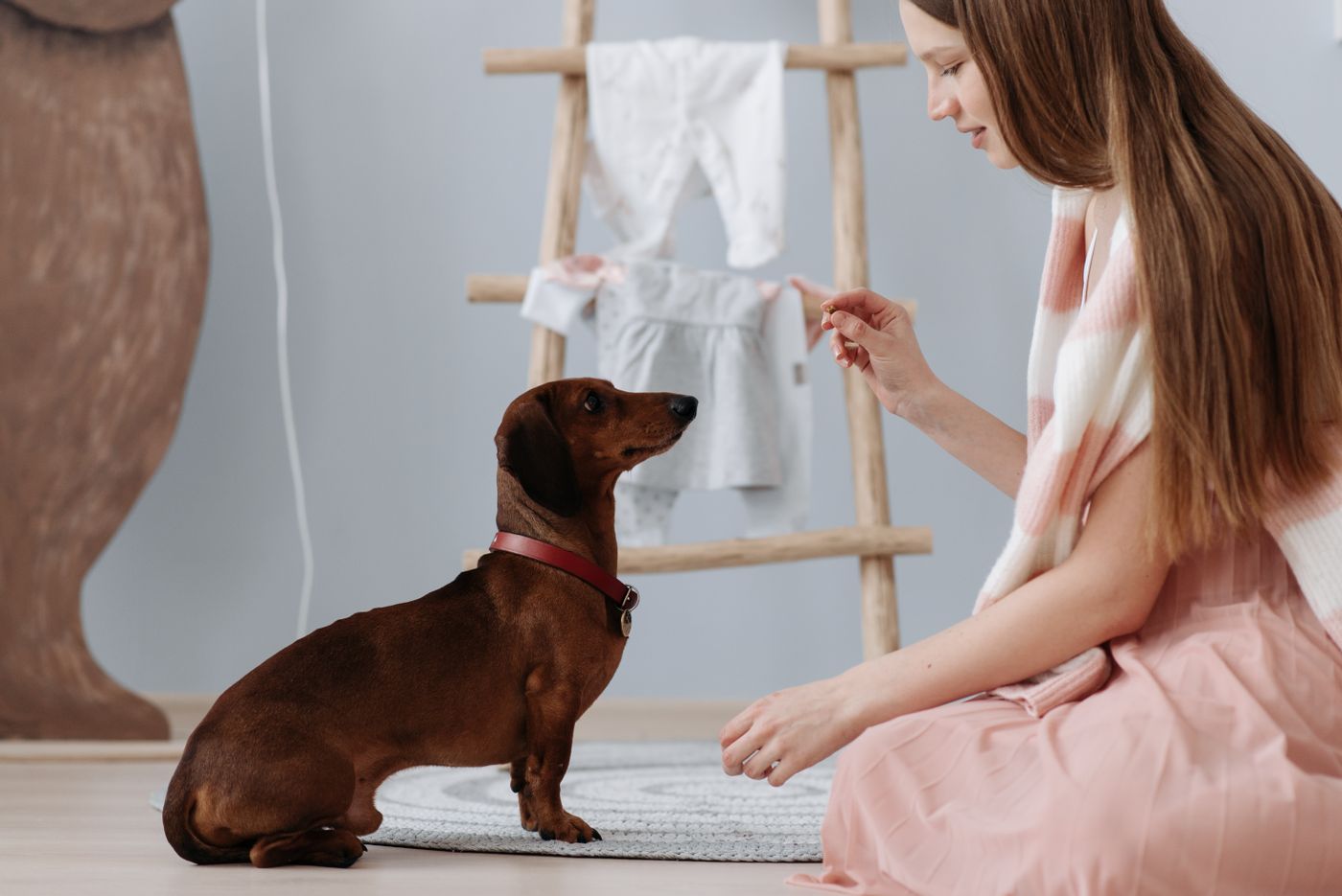
- Sit: guide a treat gently upward from the nose and reward as the bottom reaches the floor. Avoid pressing the hips down.
- Down: move a lure toward the floor and reward a comfortable lie-down; use a soft surface for sensitive joints.
- Paw: reward a voluntary paw movement toward your hand. This is a trick, not permission to restrain the foot.
- Wait: reward a brief pause, then give a clear release cue. Add duration before distance.
Build skills that protect your dog
- Come: call once from nearby and reward generously when your dog reaches you. Never punish the return.
- Drop: exchange a safe toy for something better, then sometimes return the toy. Trading prevents the lesson from becoming a contest.
- Leave it: reward turning away from a covered, low-value item. Keep dangerous objects out of reach during practice.
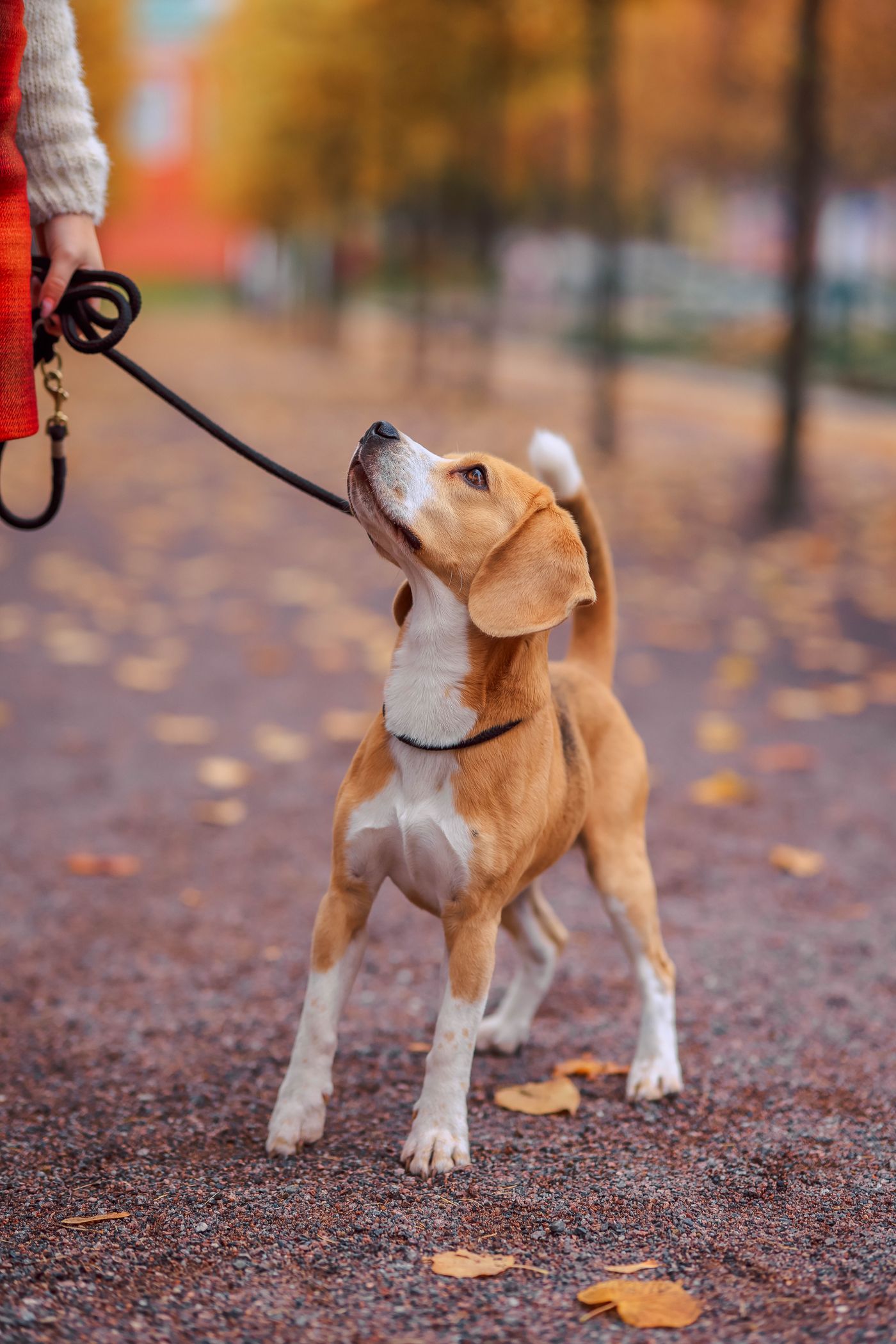
- Loose-leash walking: reward a few steps beside you with a slack lead, then invite a sniffing break.
Make home routines predictable
- Toilet in the right place: offer frequent opportunities after sleep, meals and play. Reward immediately after your dog finishes, and clean accidents without startling or scolding.
- Settle quietly: reward relaxed moments before barking begins. If barking reflects fear, pain or distress, address that need instead of simply waiting for silence.
Let success set the pace
Mark the behavior with a consistent word such as 'yes,' then deliver the reward promptly. Add the verbal cue once the action is becoming predictable. Practice one challenge at a time and carry the lesson into new places gradually. Reliability grows through repetition, not a fixed three-day deadline.
ONE THING TO TAKE WITH YOU
Reward the behavior you want, keep practice easy, and increase difficulty gradually.
FURTHER READING
Editorially checked on 23 November 2026. Sources are provided for further reading; this is not an individual veterinary assessment.