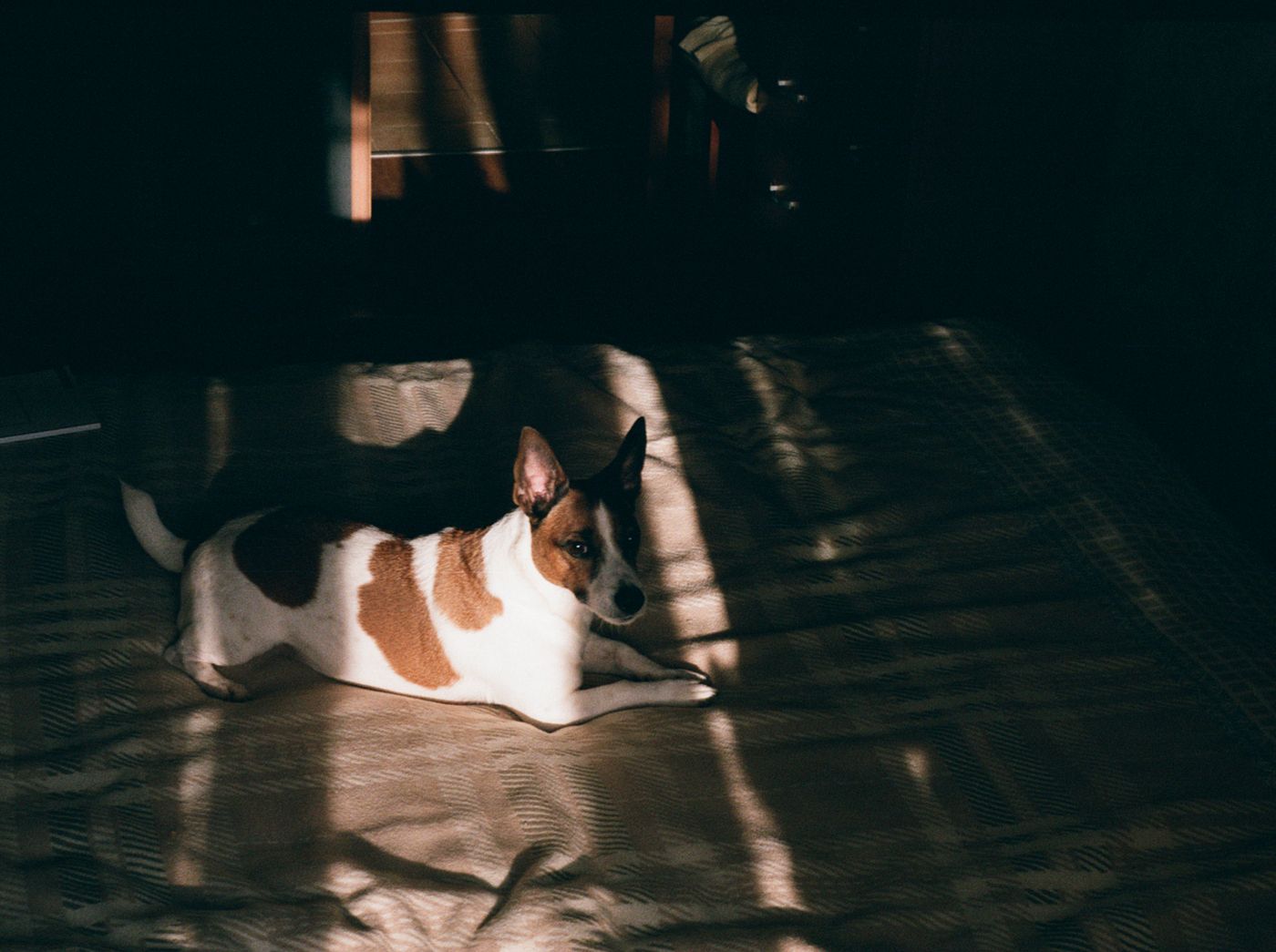
A dog entering a new home still has to learn what daily life means there. Chewing, accidents or unsettled nights can follow unfamiliarity, unmet needs or limited practice. Make the household easier to understand before deciding the animal is choosing to misbehave.
Agree on a small set of routines
Decide where the dog rests, when meals happen and how toilet trips are arranged. Use the same cues and expectations across the household. Allow plenty of sleep and avoid an exhausting schedule of visitors and outings.
Reward the behavior you want
Notice calm greetings, appropriate chewing and toileting in the right place. Deliver a reward promptly so the connection is clear. Teach a simple alternative—such as standing with four paws down—instead of relying only on 'no.'
Do not punish a discovered mess after the event. It does not explain the desired routine and may make the dog worried about your approach.
Manage tempting situations
Put shoes, food and dangerous objects out of reach. Use gates or a comfortable supervised area when necessary, and provide suitable chew items. Gradually teach time alone at a level the dog can handle.
Sharing a sofa or offering affection does not create a dominance problem. Boundaries are about practical safety and consistency, not proving social rank.
Investigate difficult patterns
Persistent house-soiling, sudden behavior changes, guarding or distress when alone may need veterinary and qualified behavioral support. Pain and fear can interfere with learning.
A good start is built through many small, predictable experiences. Progress becomes easier when the dog knows how to succeed and feels safe trying.
ONE THING TO TAKE WITH YOU
Make the routine clear, prevent avoidable mistakes and reward useful alternatives.
FURTHER READING
Editorially checked on 23 November 2026. Sources are provided for further reading; this is not an individual veterinary assessment.