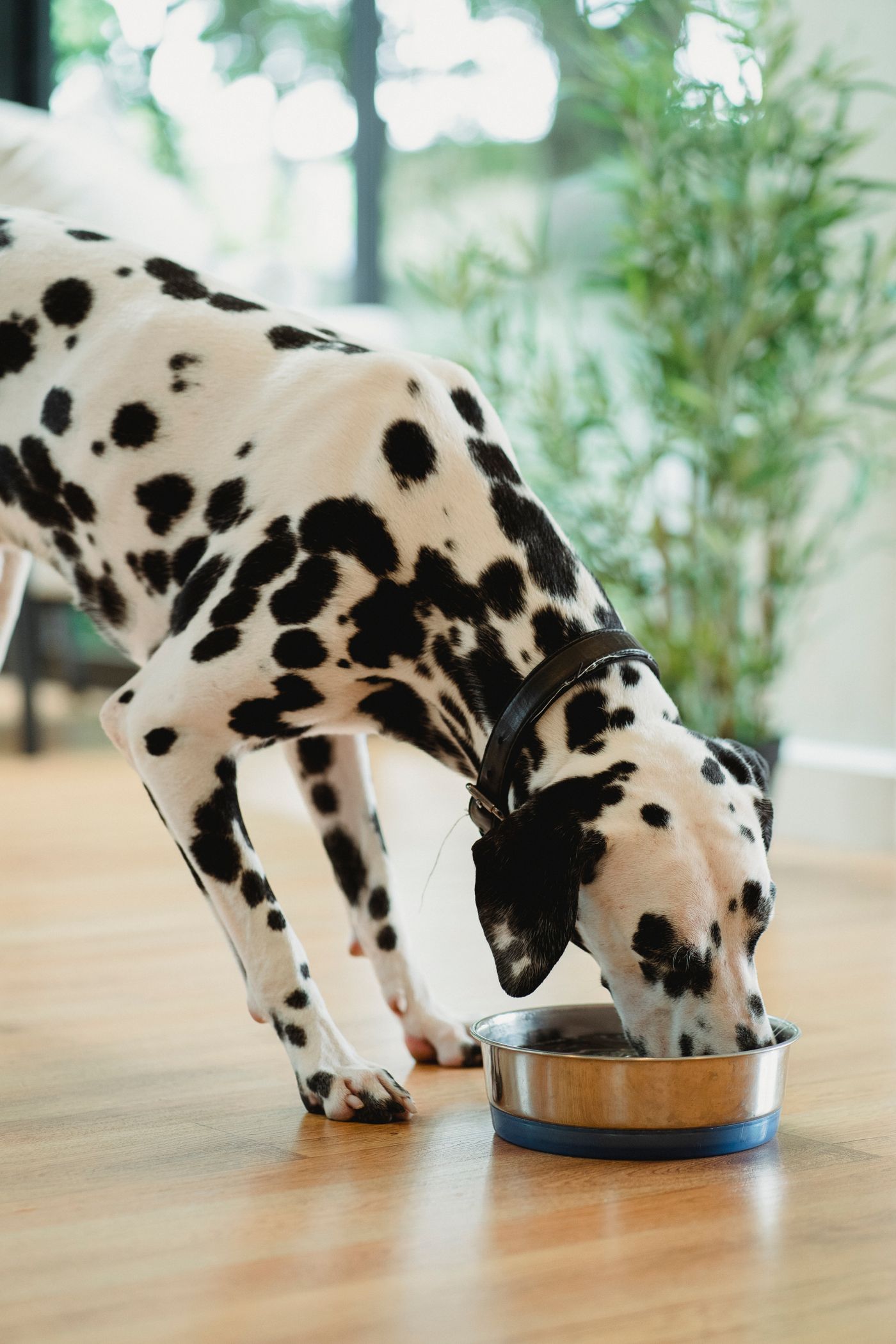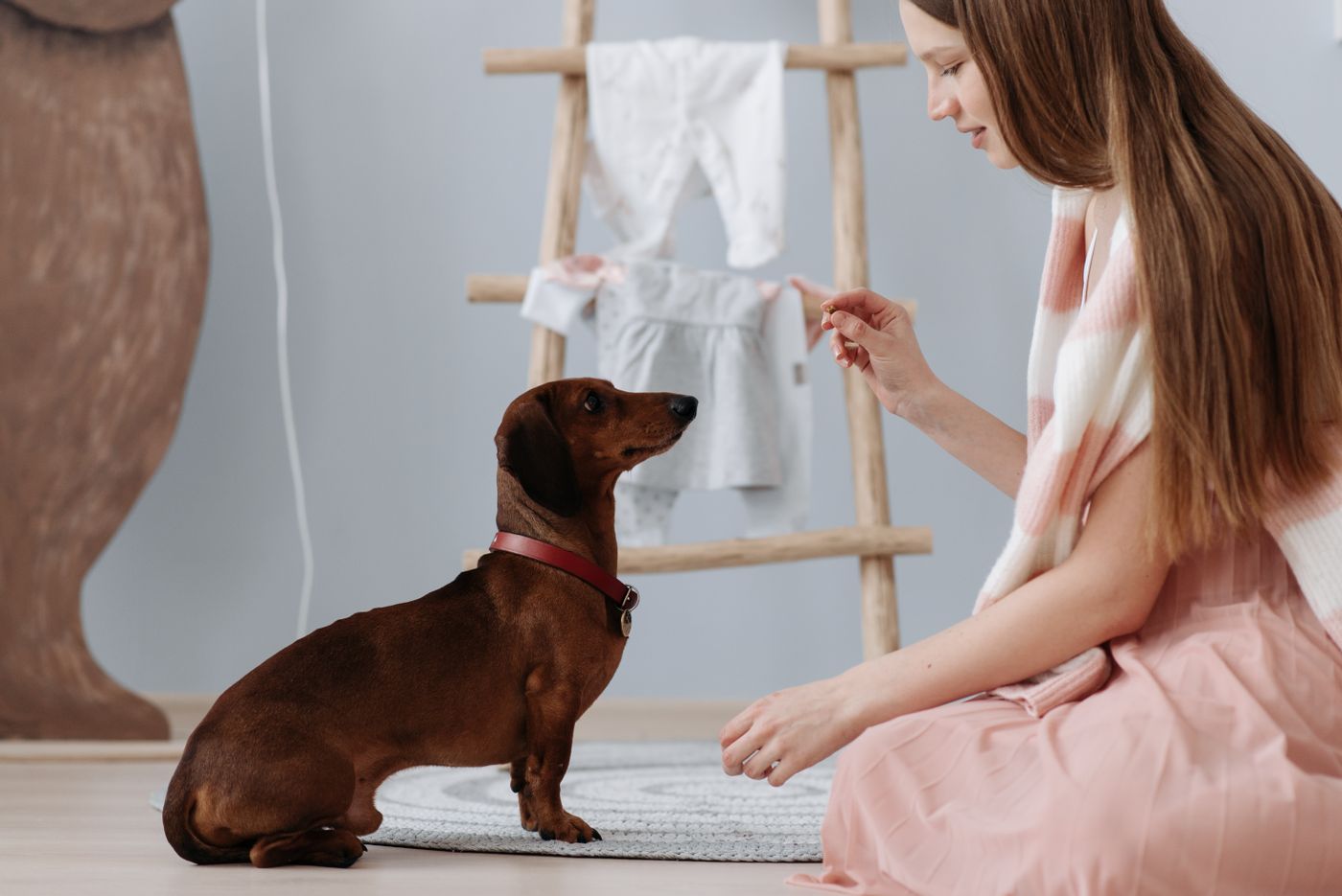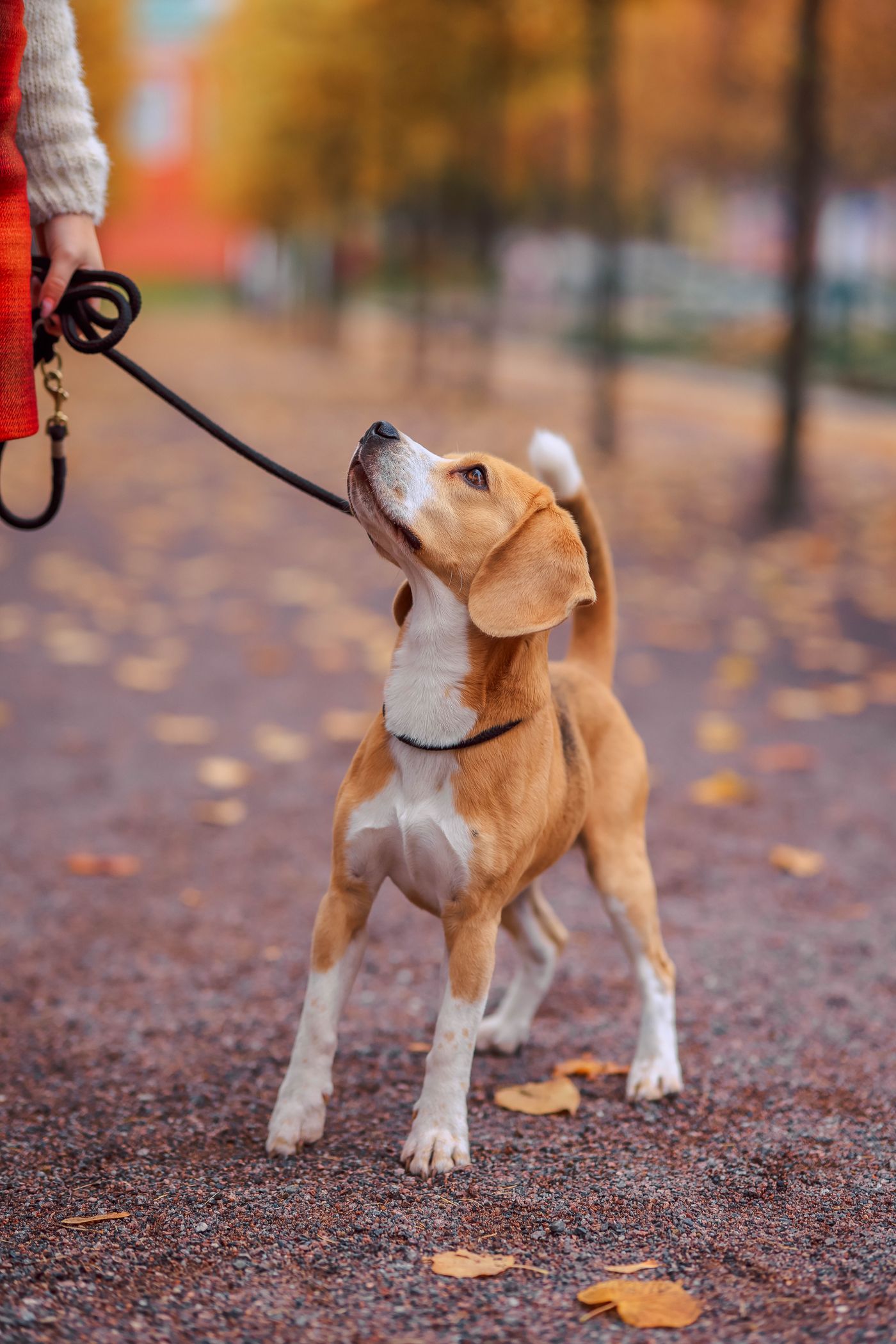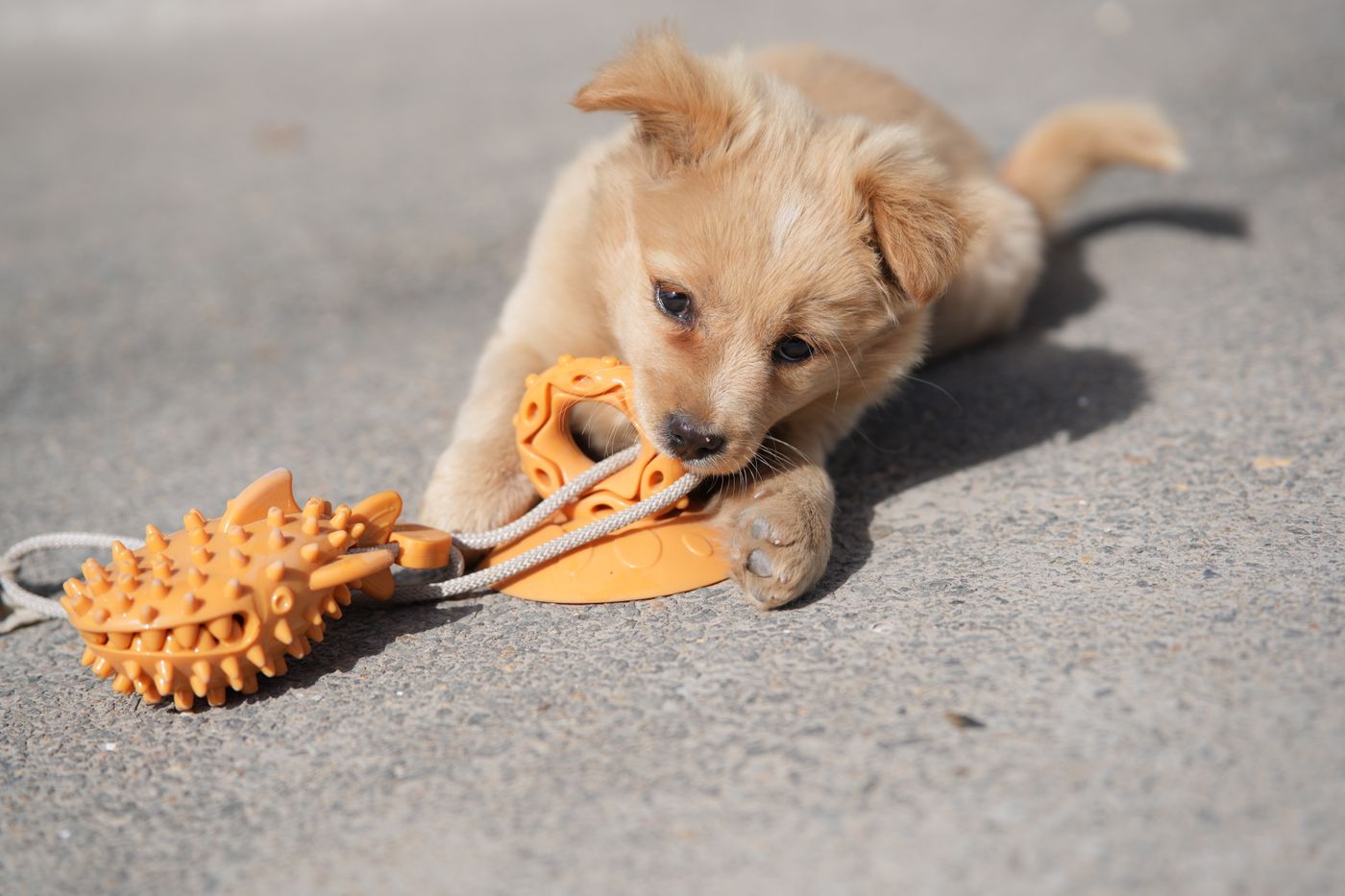
Chewing is a normal activity whose usefulness depends on the object and the situation. Puppies, under-stimulated adults and dogs distressed by absence may damage belongings for different reasons. These four approaches combine sensible management with appropriate alternatives.
1. Offer a safe chewing choice
Select items for your dog's size, teeth and chewing style. Supervise new products and remove damaged pieces. Very hard objects can fracture teeth, and anything small enough to swallow can create a hazard. Reward choosing the appropriate item.
2. Trade instead of chasing
If your dog takes a safe but unwanted object, offer a better reward and calmly exchange it. Teach 'drop' during easy practice with toys. Chasing or repeatedly prying items away can turn possession into a game or conflict.
3. Balance activity and sleep
Provide suitable walks, sniffing, play and short training sessions. Adjust them to age and health rather than using a fixed exercise quota. Overtired dogs may also struggle to settle, so protect quiet rest.
4. Manage access
Put shoes, medicines and electrical cords beyond reach. Use a safe room or barrier when you cannot supervise, after introducing the space positively. Confinement should not leave the dog panicking or without needed breaks.
Damage concentrated around exits during absences may signal separation-related distress. A camera and professional assessment can help distinguish that pattern from ordinary exploration.
If an object may have been swallowed, contact a veterinarian promptly. Training can prevent the next incident, but it is not treatment for a possible obstruction.
ONE THING TO TAKE WITH YOU
Provide suitable chews, teach trades and manage the environment while you address the cause.
FURTHER READING
Editorially checked on 23 November 2026. Sources are provided for further reading; this is not an individual veterinary assessment.