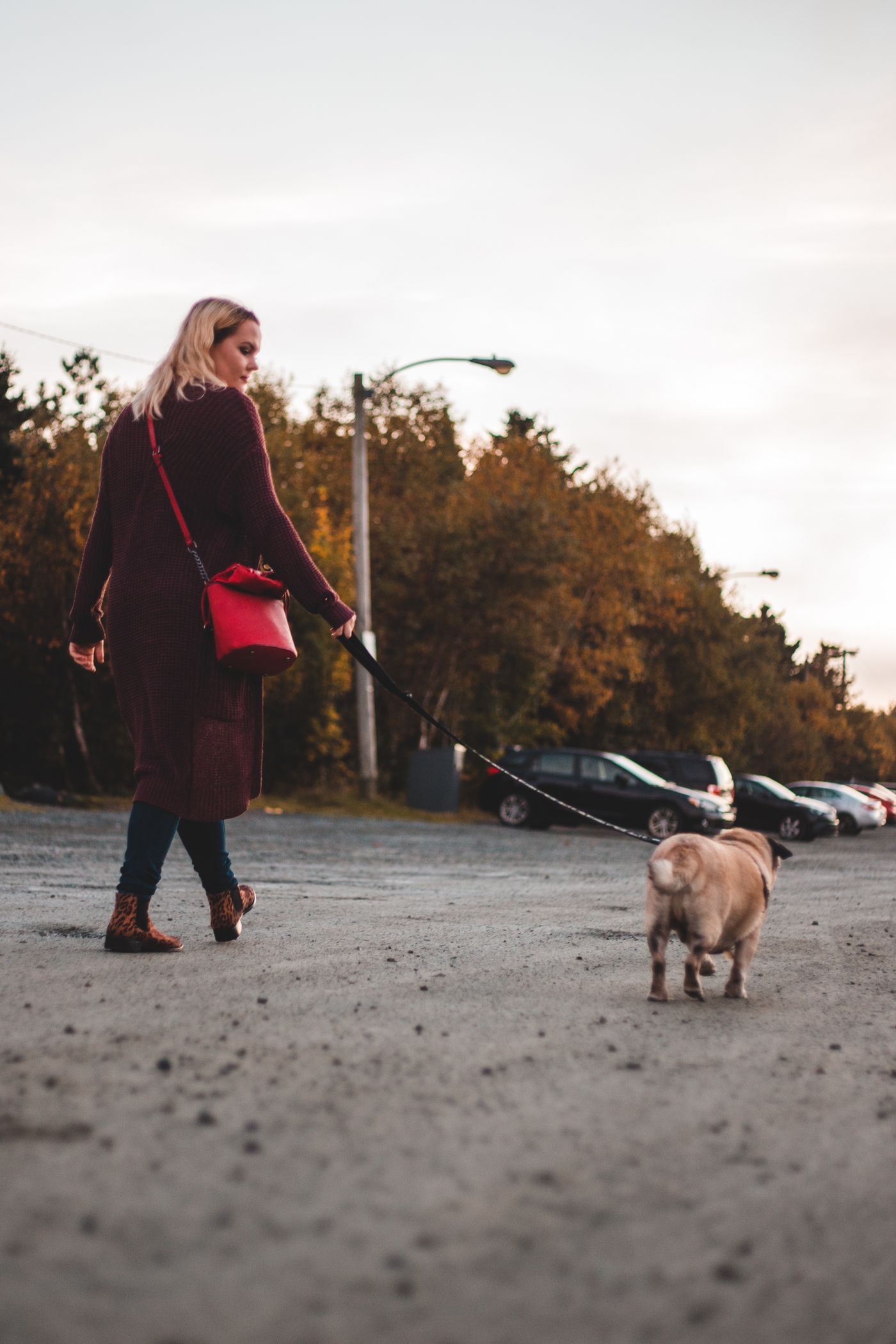
Pulling ahead does not mean a dog is trying to establish social rank. Excitement, learning and discomfort around a trigger can all affect the walk. Make the situation easier to manage, then use these three steps to practise a more comfortable lead.
1. Adjust the environment and equipment
Choose a quieter route and check harness fit. Give your dog a moment to settle before moving into a busy area. If other dogs, bicycles or traffic trigger lunging, start at a distance where your dog can still notice you and take a reward.
Equipment helps manage safety, but it cannot make a frightening situation comfortable by itself. Avoid leash jerks and tools designed to cause pain.
2. Reward the slack
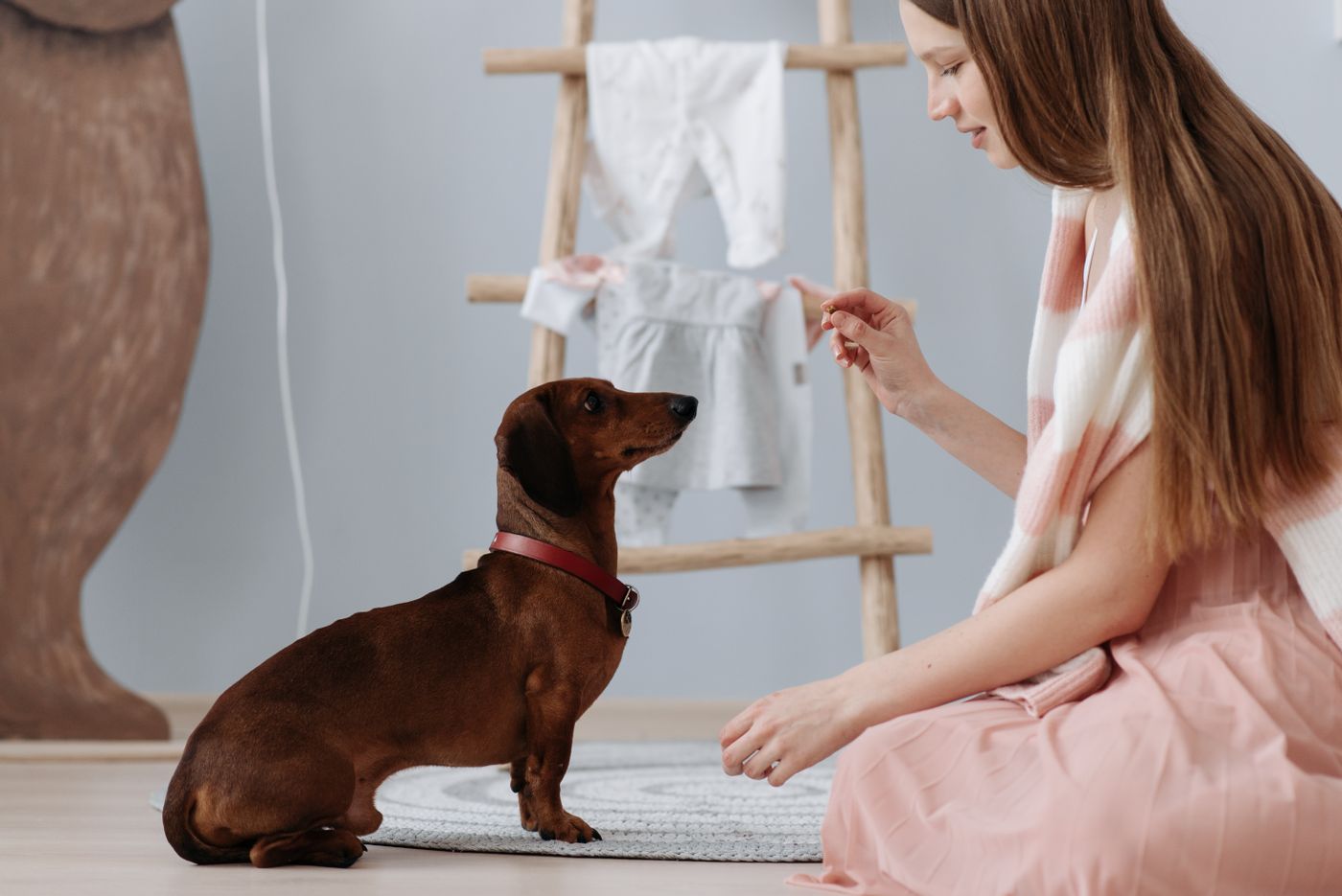
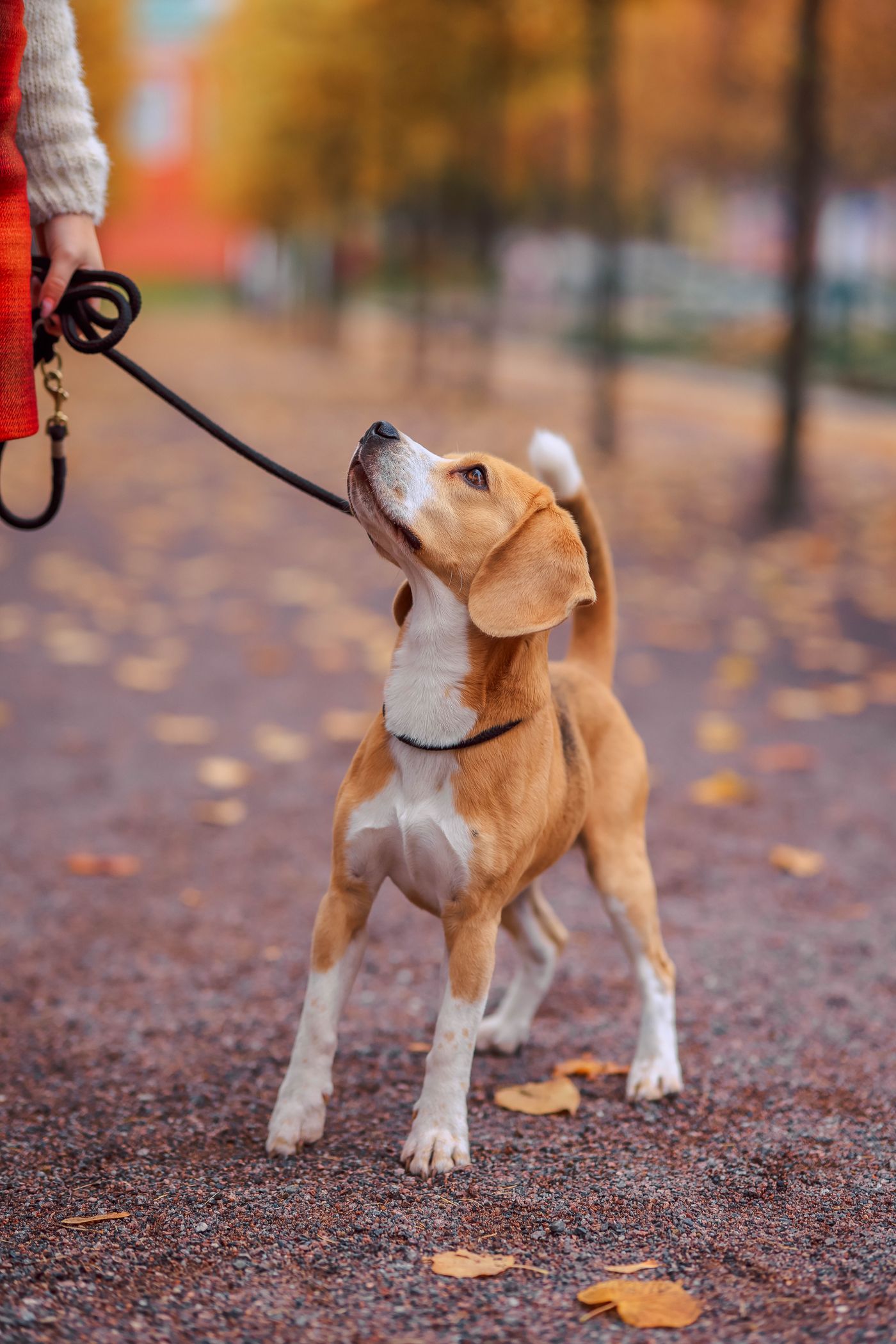
Practice a few steps with a loose line, marking and rewarding near your side. When tension develops, stop smoothly and invite a return to an easier position. Continue once the lead relaxes. Use both food and access to appropriate sniffing as rewards.
Keep the pace flexible. If every step is a struggle, shorten the practice and move to a simpler setting.
3. Build useful alternatives
Teach a gentle turn-away cue, a check-in and a short pause in quiet conditions. Use them before the dog becomes overwhelmed, not only after lunging starts. Plan escape routes and give space rather than forcing close greetings.
Seek qualified reward-based support for strong reactivity, fear or handling risks, and consider a veterinary assessment when the pattern changes suddenly. The goal is a walk both of you can manage comfortably, not instant obedience in every setting.
ONE THING TO TAKE WITH YOU
Reduce the challenge, reward a loose lead and create distance before a trigger becomes overwhelming.
FURTHER READING
Editorially checked on 23 November 2026. Sources are provided for further reading; this is not an individual veterinary assessment.