Litter-box choices should begin with the cat's body and mobility rather than its breed label. A kitten, a large adult and an older cat may need different entrances and floor space. Consider the individual animal and how those needs may change over time.
Measure the usable interior
Choose a tray that allows your cat to turn and dig freely. Around one and a half times the cat's nose-to-tail-base length is a useful starting point, with enough width for comfortable movement. Check inside measurements, especially when a hood narrows the space.
Match the entrance to mobility
Kittens and cats with painful joints often need a low step. Higher sides elsewhere may help contain enthusiastic digging or urine directed toward the edge. A low doorway and roomy interior can be combined; you do not have to choose between access and containment.
Consider the coat and habits
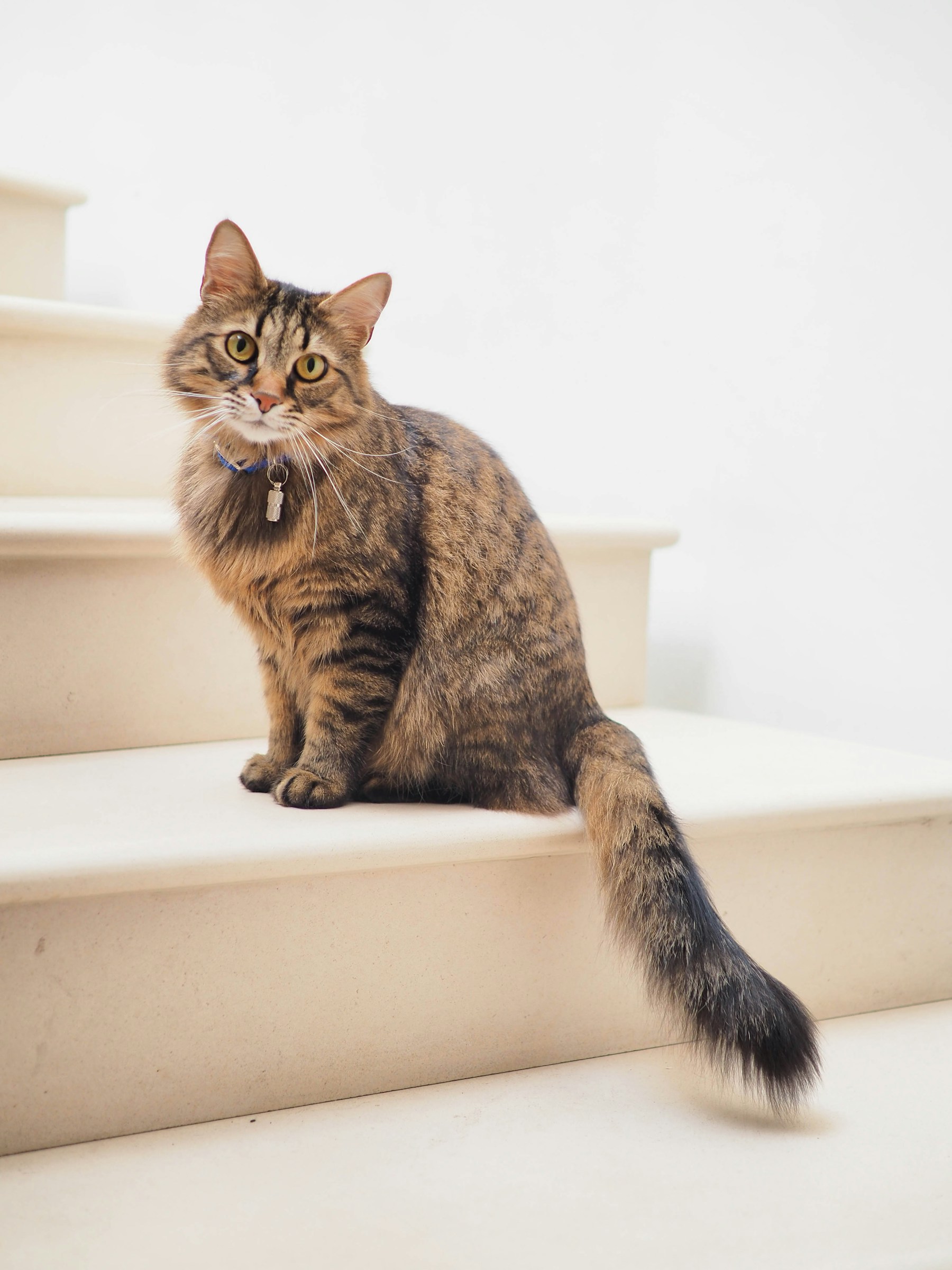
Long fur may collect litter, so observe tracking and grooming comfort. Avoid assuming that a strong fragrance or a special coating will solve cleanliness. Smooth, easy-to-wash surfaces and a regular cleaning routine are more dependable.
For cats that dislike enclosure, begin with an open tray. If trying a covered style, offer it as an additional option rather than removing the familiar box immediately.
Check the setting
Place boxes where they remain quiet, reachable and safe from interference by other pets. Provide several separate stations in multi-cat homes.
Sudden accidents, straining or a change in toilet frequency needs veterinary attention. A better box can improve access, but it cannot treat a urinary or digestive problem.
ONE THING TO TAKE WITH YOU
Fit the box to the cat's actual body, mobility and habits rather than a breed stereotype.
FURTHER READING
Editorially checked on 23 November 2026. Sources are provided for further reading; this is not an individual veterinary assessment.