Outdoor preparation should reflect the outing you are actually taking. A brief walk, a journey with a cat and a long day away all call for different decisions. Secure equipment, current identification and a realistic view of your pet's confidence provide the starting point.
Everyday walks
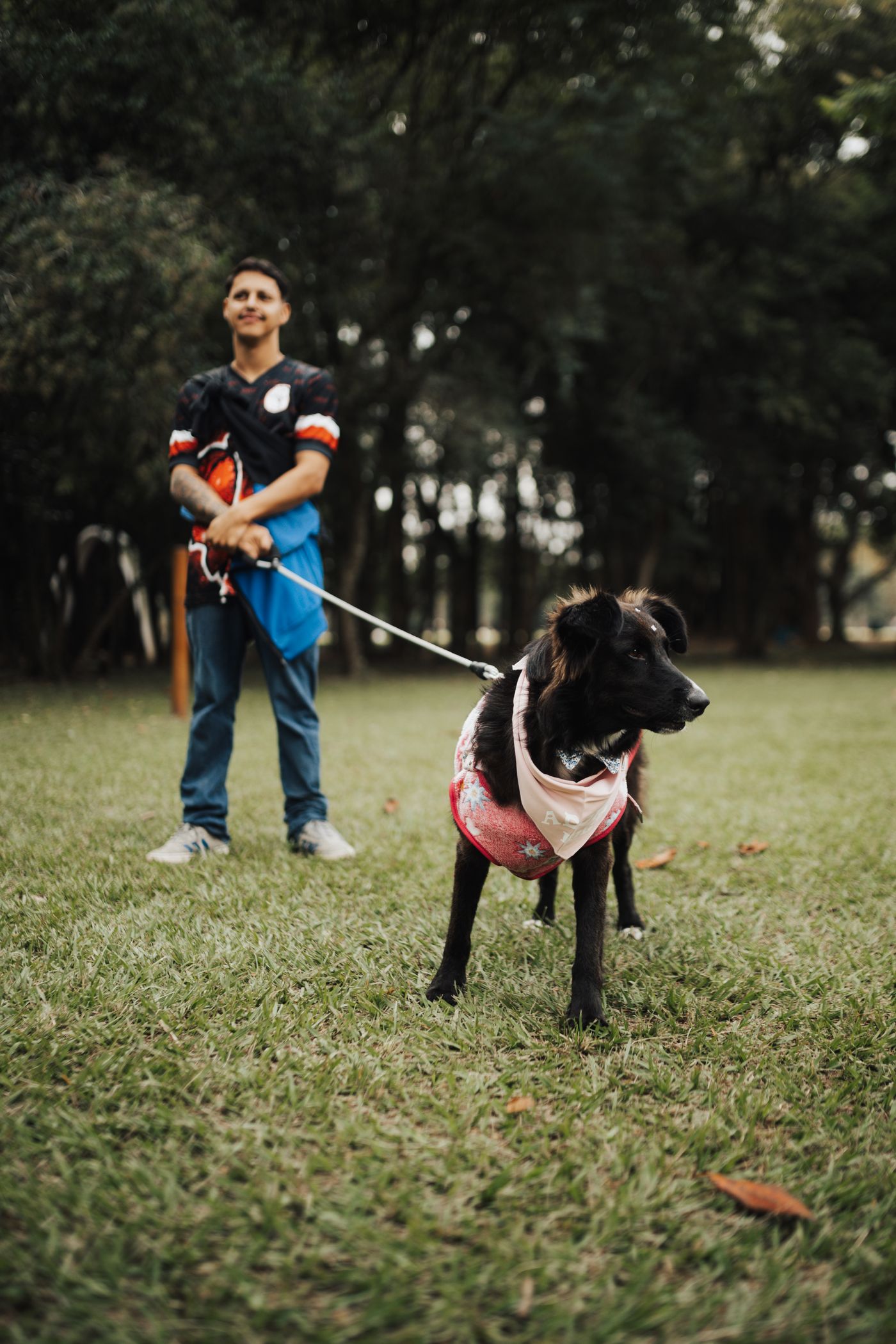
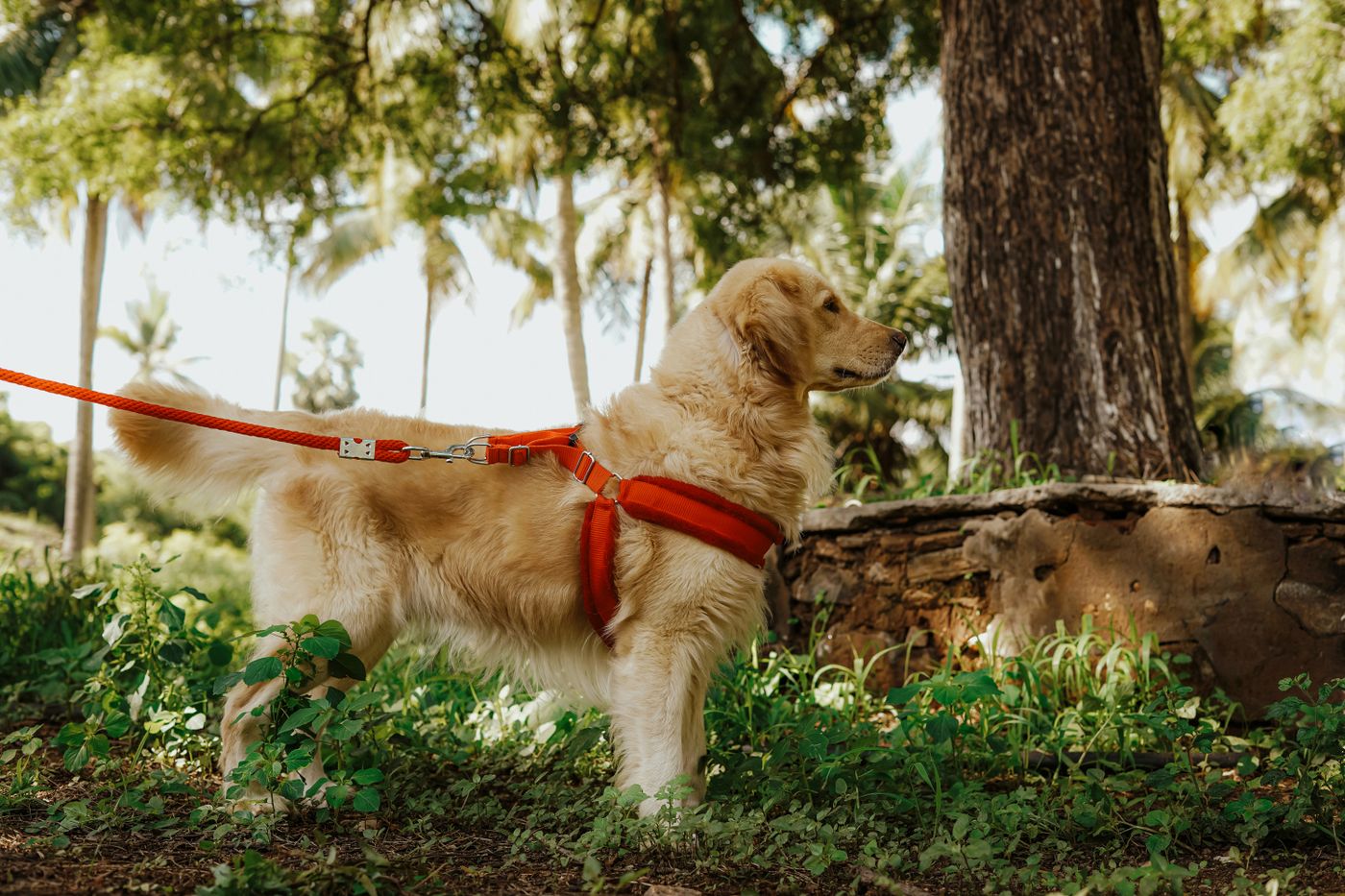
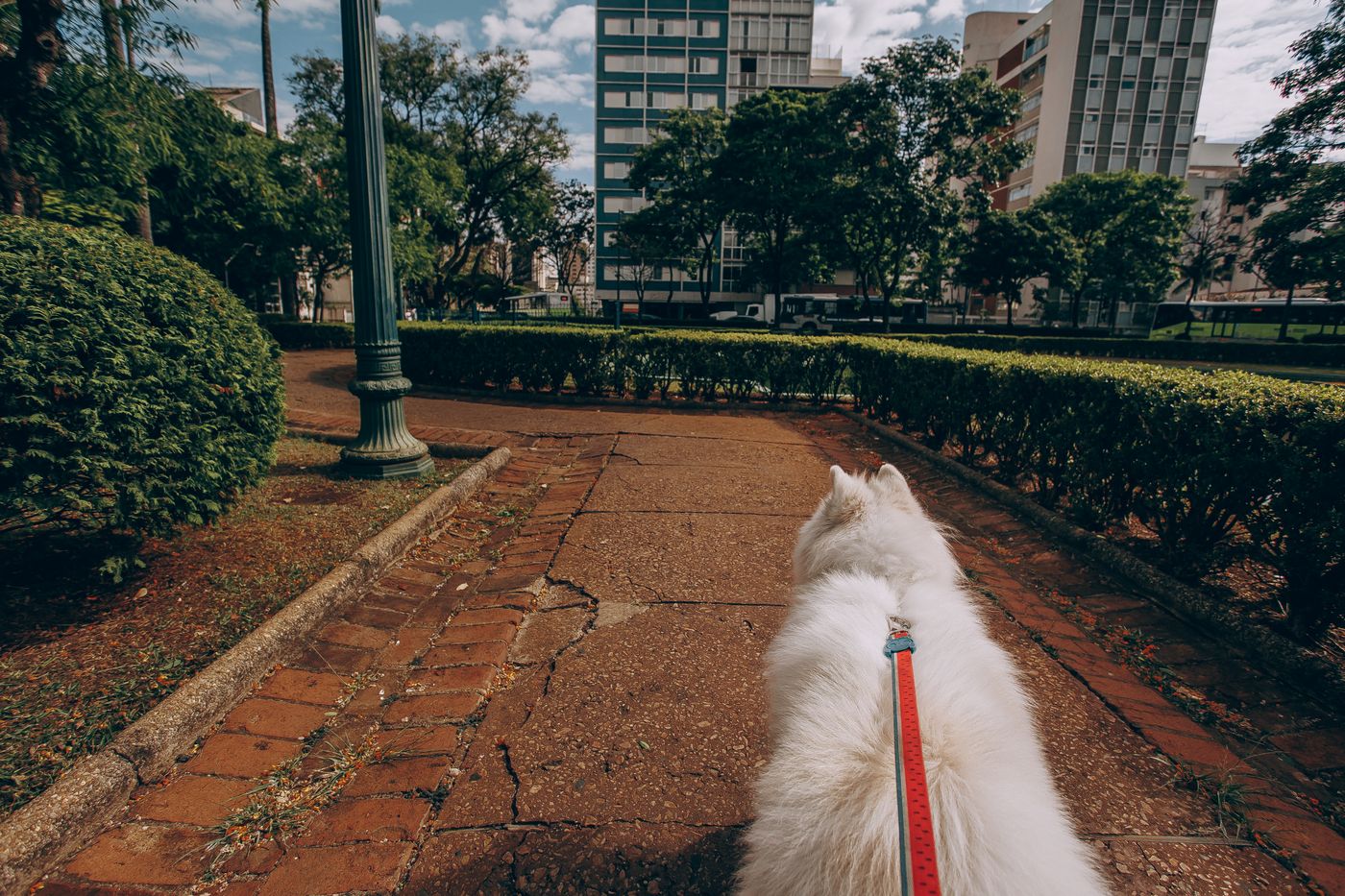
Check harness or collar fit, leash clips and the ID tag. Carry waste bags and drinking water when needed. Choose a route with safe footing and space from traffic. A harness should fit the individual dog and should not be treated as escape-proof without checking.
Short trips with cats
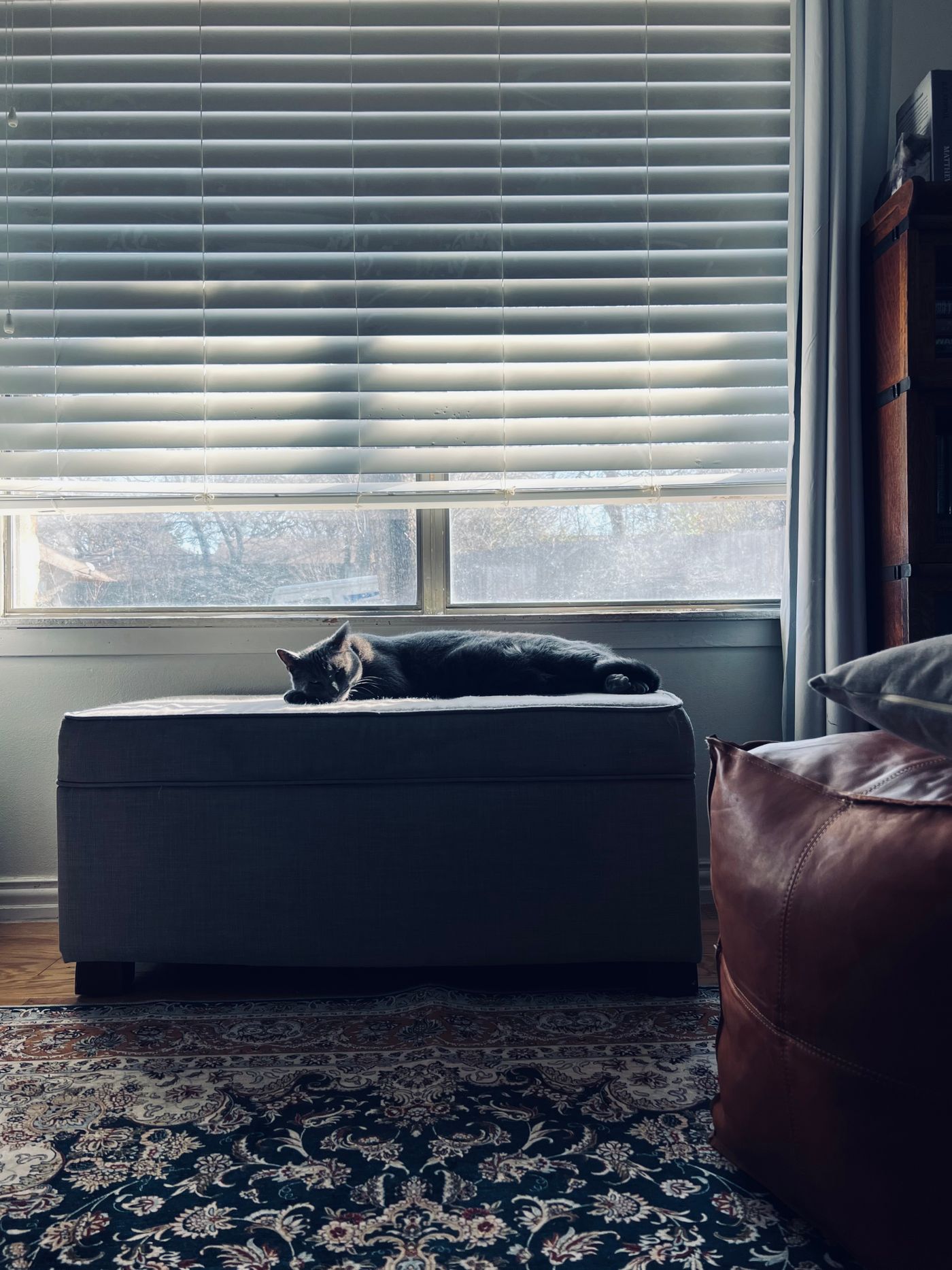
Use a secure, well-ventilated carrier rather than carrying a cat loose in your arms. Familiar bedding and gradual carrier practice can make travel less alarming. A partial cover may help some cats, provided airflow remains clear and temperature is comfortable.
Longer outdoor visits
Pack water, a bowl, familiar food where appropriate, shade options and contact details for nearby veterinary care. Plan breaks and an easy return route. Use parasite prevention selected for the species, age and local exposure; dog products must never be assumed safe for cats.
Check paws and the coat after returning, especially after long grass or rough ground. Avoid unfamiliar sprays or essential oils as improvised insect protection.
Car travel
Secure your pet with an appropriate carrier or restraint, following the product's instructions. Keep it away from the driver's controls and do not leave it unattended in the vehicle. Add absorbent bedding, cleaning supplies and prescribed medication for longer journeys.
A useful first-aid pouch
Carry gauze, clean dressings, saline, a towel and emergency contacts. These support safe transport; they do not replace veterinary care. Ask your veterinarian what else belongs in a kit for your particular pet and destination.
ONE THING TO TAKE WITH YOU
Prepare for the actual route, weather and animal, with a clear plan to get home safely.
FURTHER READING
Editorially checked on 23 November 2026. Sources are provided for further reading; this is not an individual veterinary assessment.