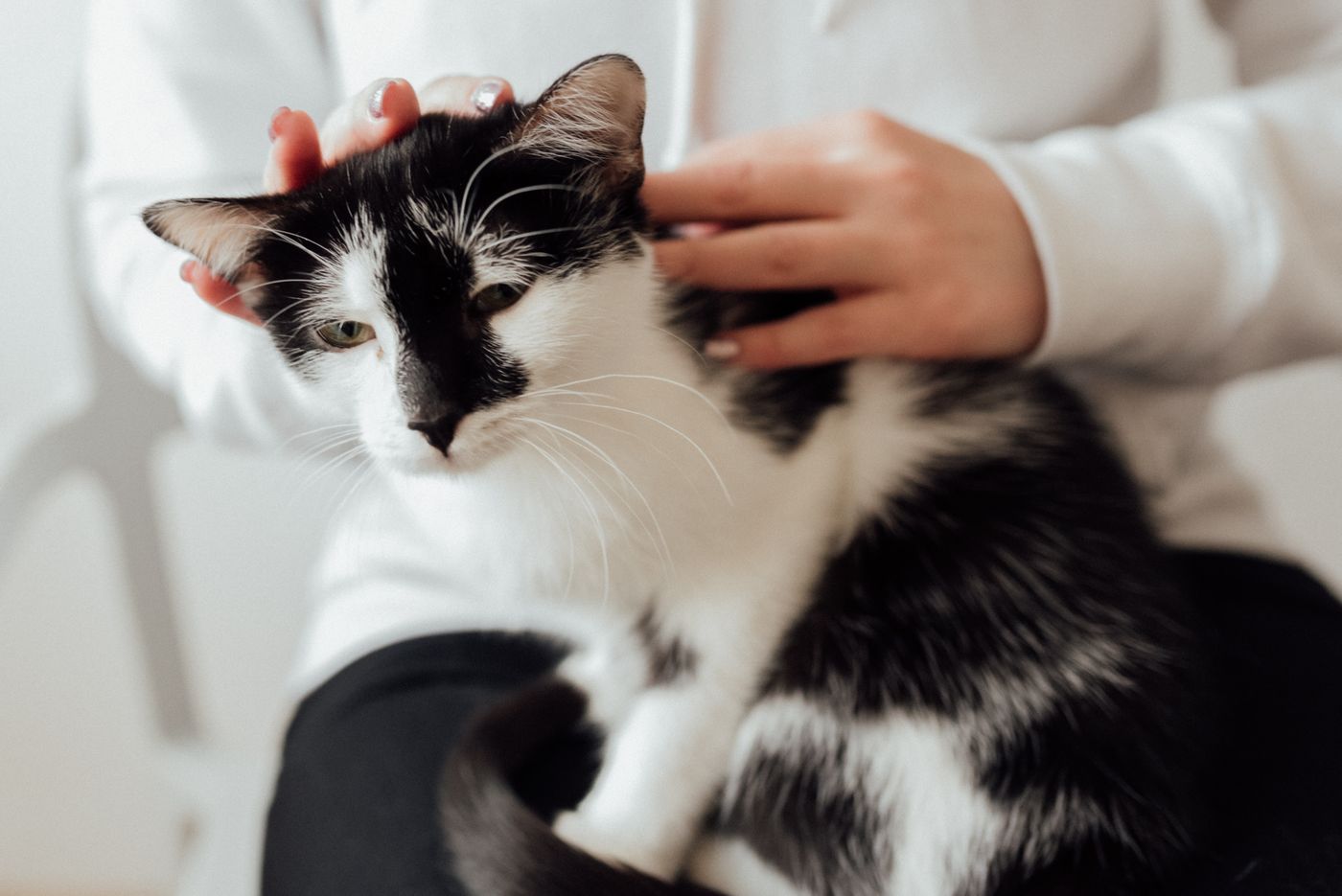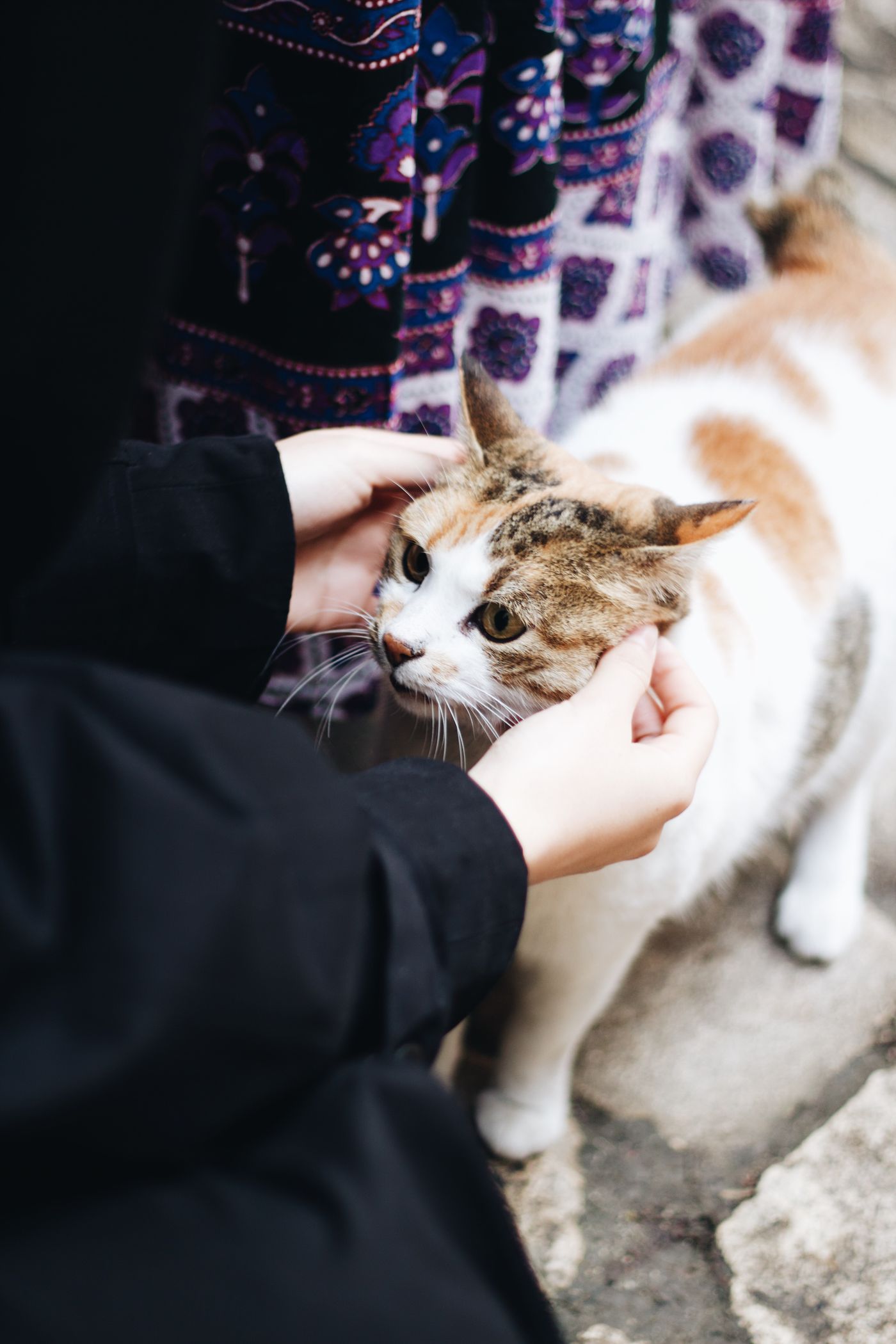
Cats share company in different ways, from following a person around to resting quietly across the same room. The five descriptions below are ways of noticing those patterns, not scientific labels for a cat's understanding of its human. Let the individual relationship set the pace.
The close companion
This cat often follows you between rooms and seeks reassurance nearby. Enjoy the company while also providing resting places and gentle practice with comfortable independence. Sudden clinginess deserves attention if it is a change.
The easygoing friend
A friendly cat may invite play, rest near you and leave when it has had enough. Respecting that rhythm helps keep contact pleasant and predictable.
The daily partner
Some cats become part of routines: waiting near the desk, visiting at breakfast or settling beside evening reading. Those repeated moments can be meaningful without requiring constant touch.
The peaceful roommate
A more independent cat may prefer shared space to physical affection. Look for relaxed posture, comfortable eating and voluntary proximity. Lack of lap time is not proof of a poor bond.
The enthusiastic organizer
A vocal cat that reminds you about meals can seem like the household manager. Predictable feeding, play and attention can keep the routine enjoyable without rewarding every demand immediately.
Leave room for change
Age, health, household events and confidence can alter how a cat interacts. Hiding, irritability or a sudden change in social behavior may need a health check.
Whatever description feels familiar, the best foundation is the same: reliable care, safe choices and affection offered in a form the cat welcomes.
ONE THING TO TAKE WITH YOU
Judge the bond by comfort and voluntary contact, not by how closely a cat matches a human relationship label.
FURTHER READING
Editorially checked on 23 November 2026. Sources are provided for further reading; this is not an individual veterinary assessment.