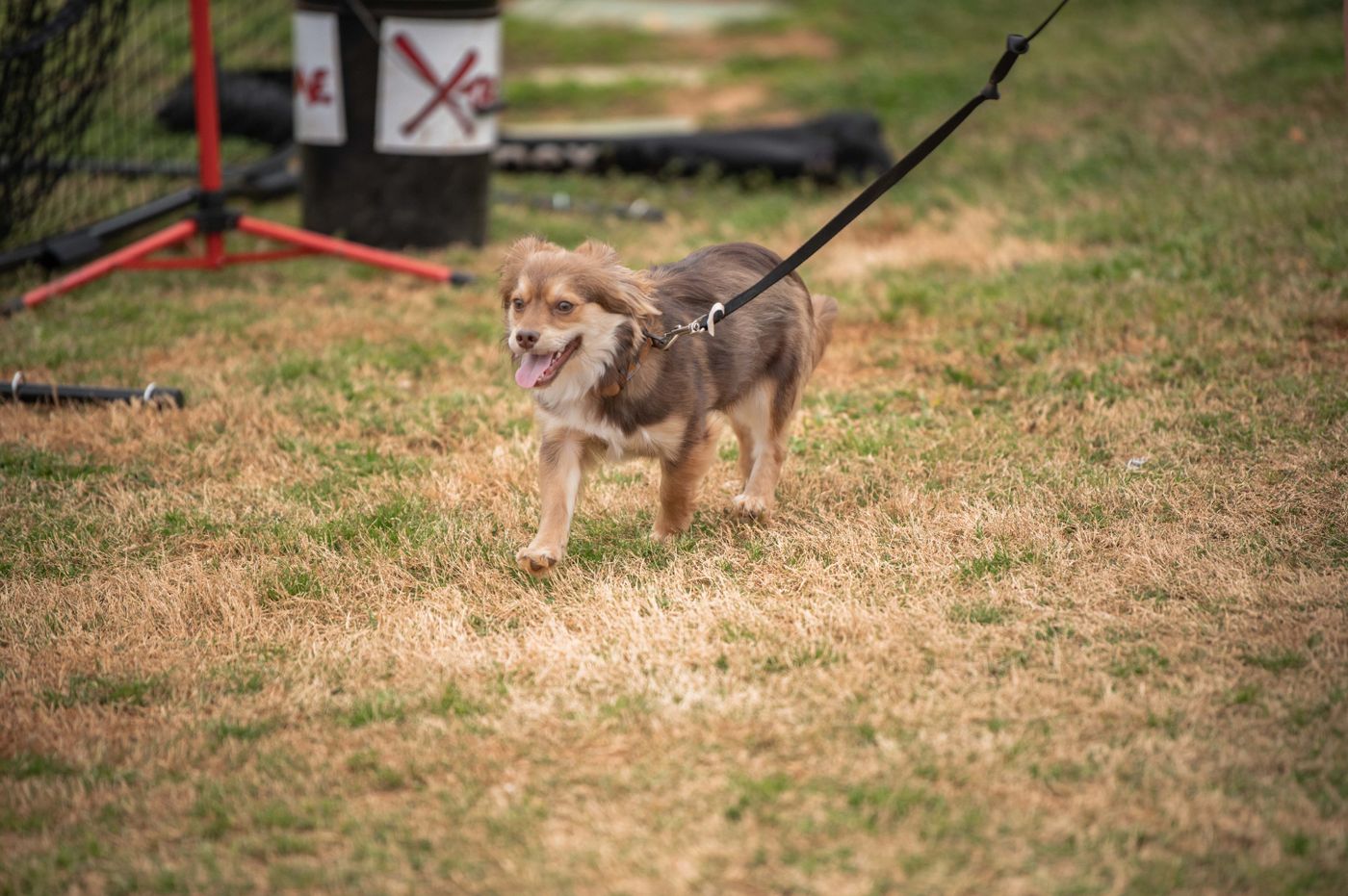
Loose-leash walking is a shared skill, not a demand for constant eye contact. Pulling may grow from excitement, learned habits or surroundings that are too challenging. Start with an outing your dog can manage, then reward the comfortable lead you want to see more often.
Practice before the busy route
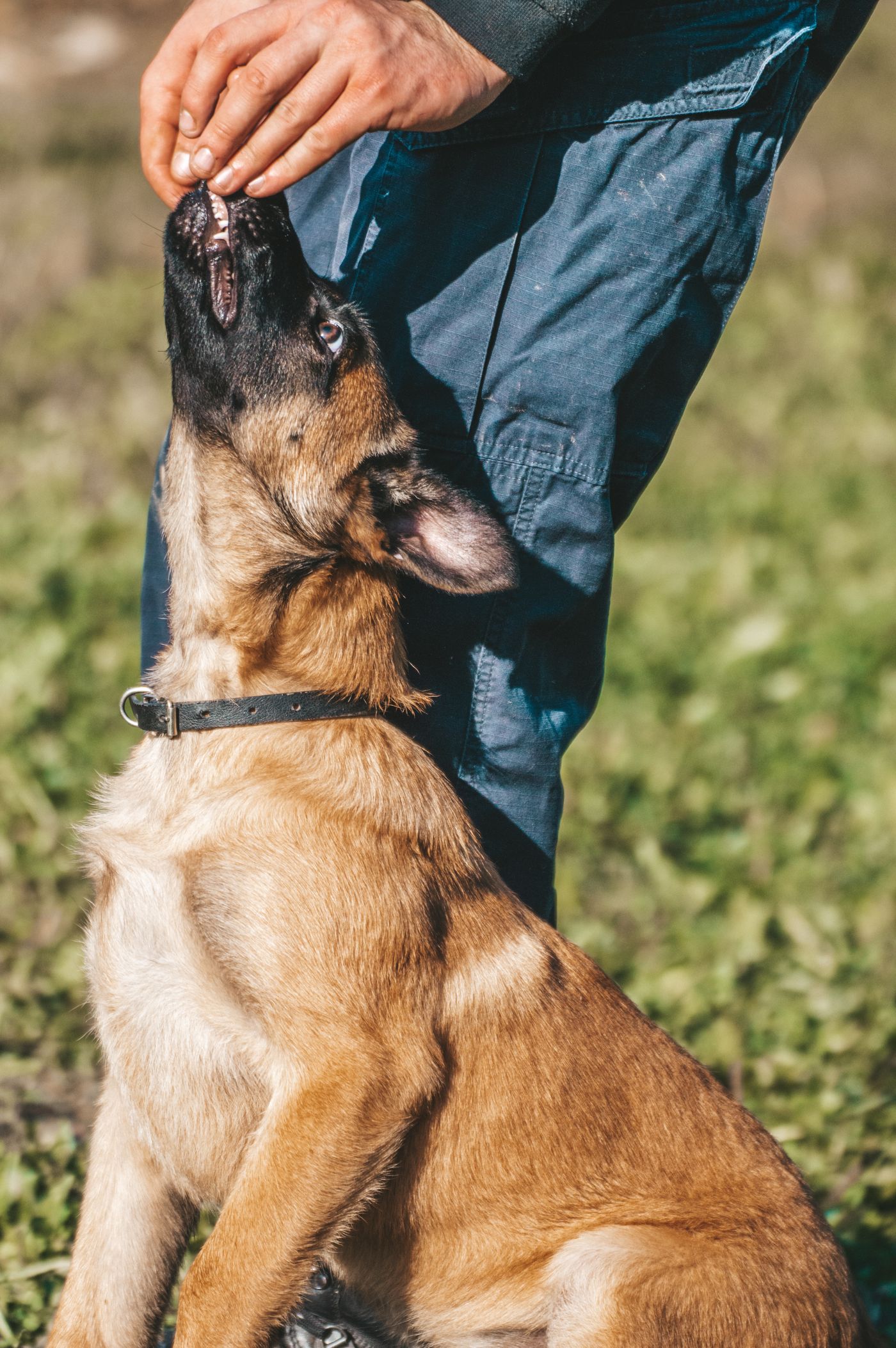
Begin in a quiet space with secure, comfortable equipment. Reward your dog for standing near you, then take a few steps and reward again while the lead is slack. Small food rewards are useful; permission to sniff can be equally valuable in the right moment.
Respond smoothly to tension
If the lead tightens, stop gently before you are dragged. Invite your dog back toward you and continue when the line relaxes. A calm change of direction can help in a suitable space, but avoid jerking, sudden reversals or pretending to fall.
Keep the challenge easy enough that the dog can succeed. If every step creates tension, reduce distractions or shorten the session.
Make exploration part of the plan
Use a clear release cue for sniffing breaks and a separate cue for moving on. Allow safe pauses rather than pulling away from every interesting smell. Dogs learn more easily when cooperation still leads to enjoyable activity.
Address other walking difficulties
Leash biting may reflect overexcitement or frustration; offer a pause and an easier task. Refusing to move can indicate fear, fatigue, uncomfortable equipment or pain. Investigate the reason instead of dragging the dog forward.
Progress varies. A quiet, pleasant ten-minute practice is useful, but no technique guarantees a complete change in ten minutes.
ONE THING TO TAKE WITH YOU
Reward slack in the lead, build in exploration and reduce difficulty when the walk becomes a struggle.
FURTHER READING
Editorially checked on 23 November 2026. Sources are provided for further reading; this is not an individual veterinary assessment.