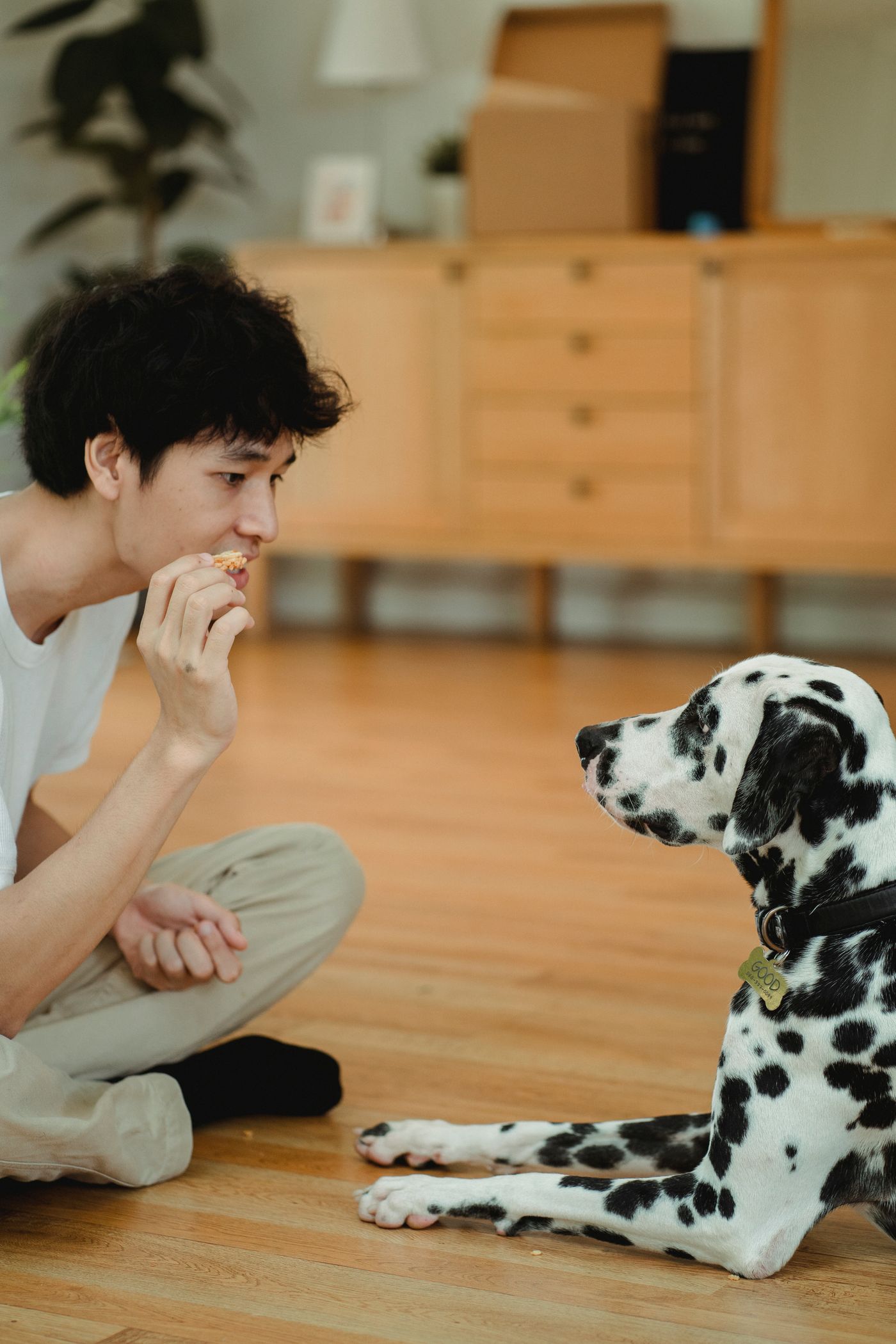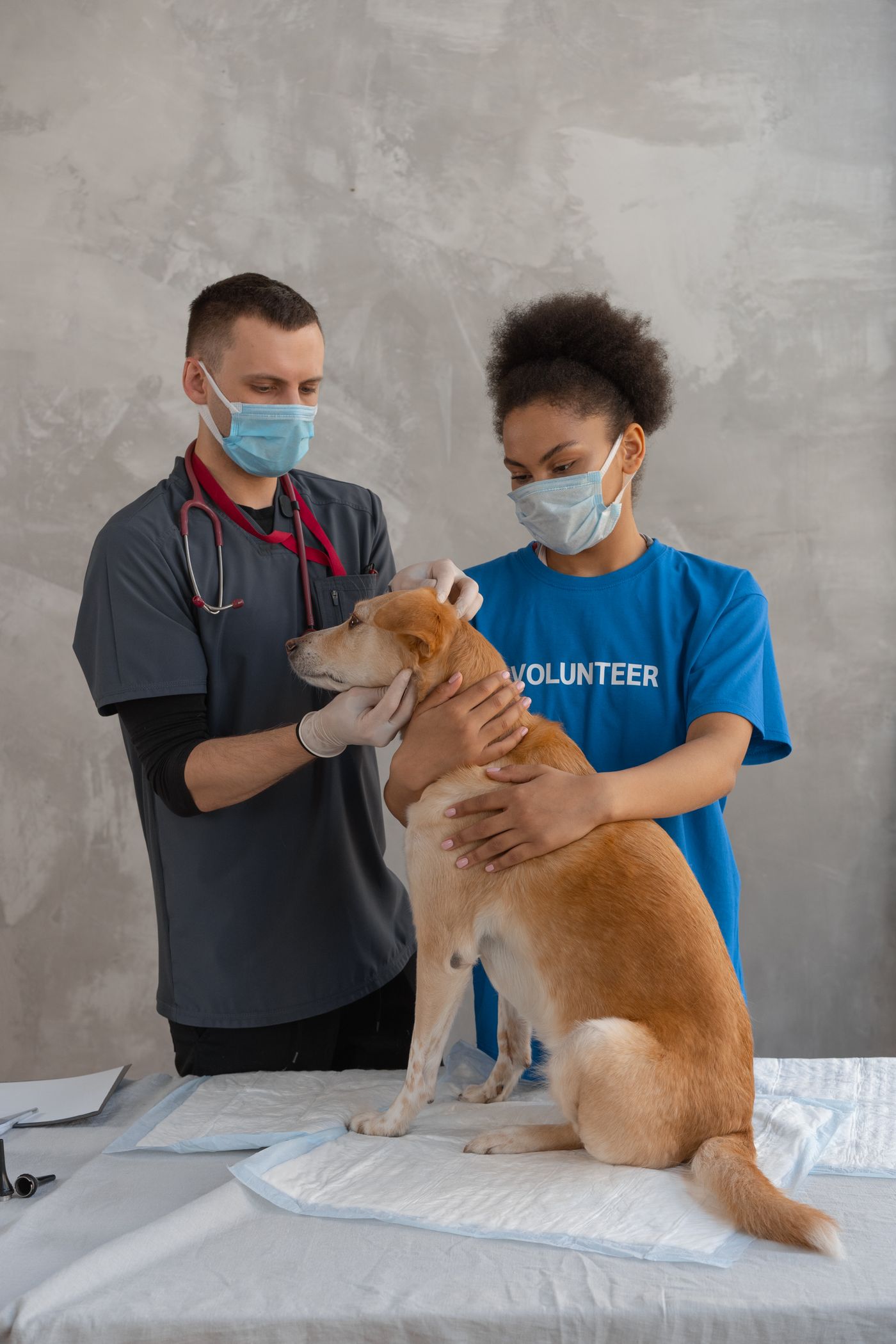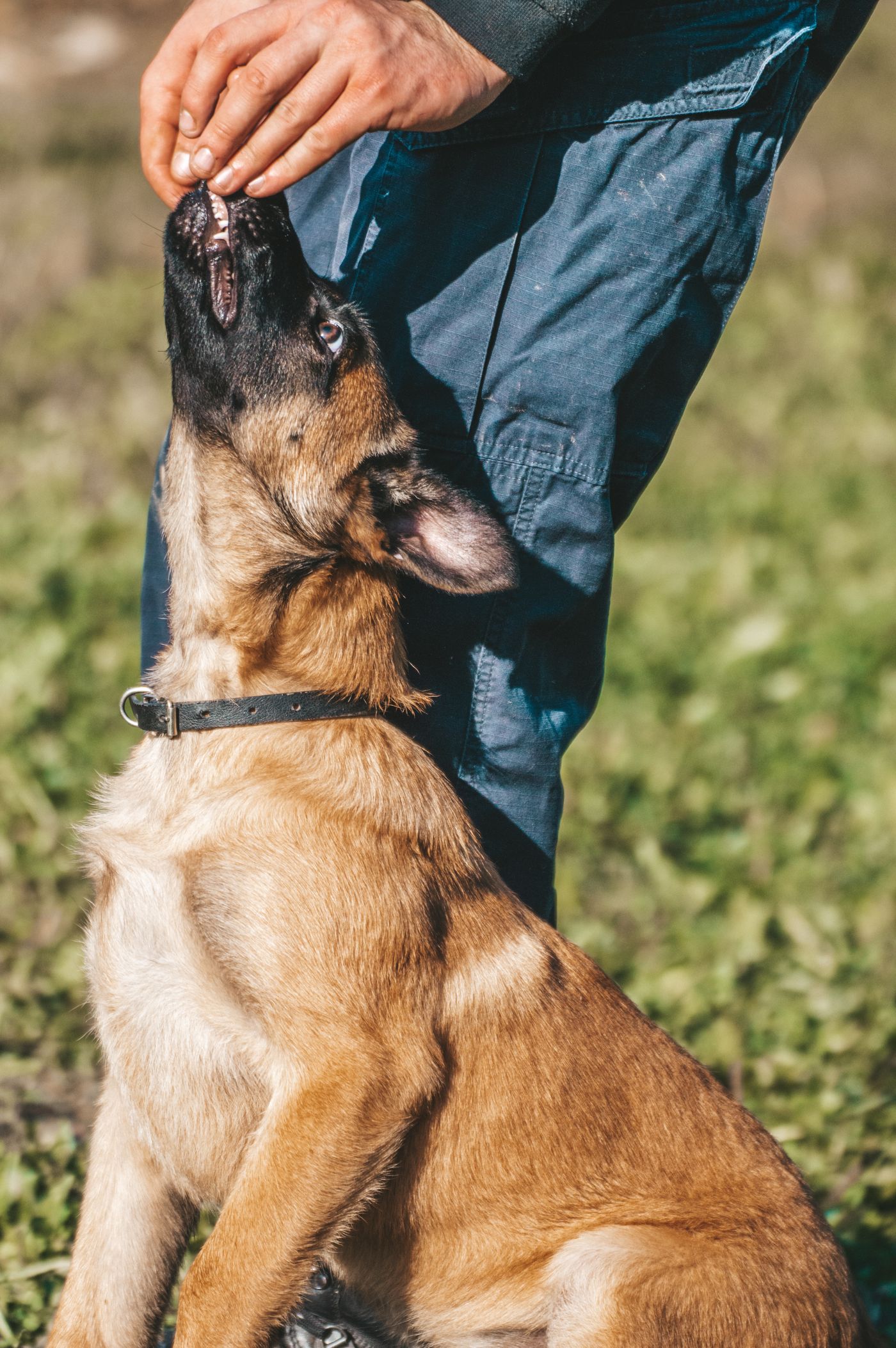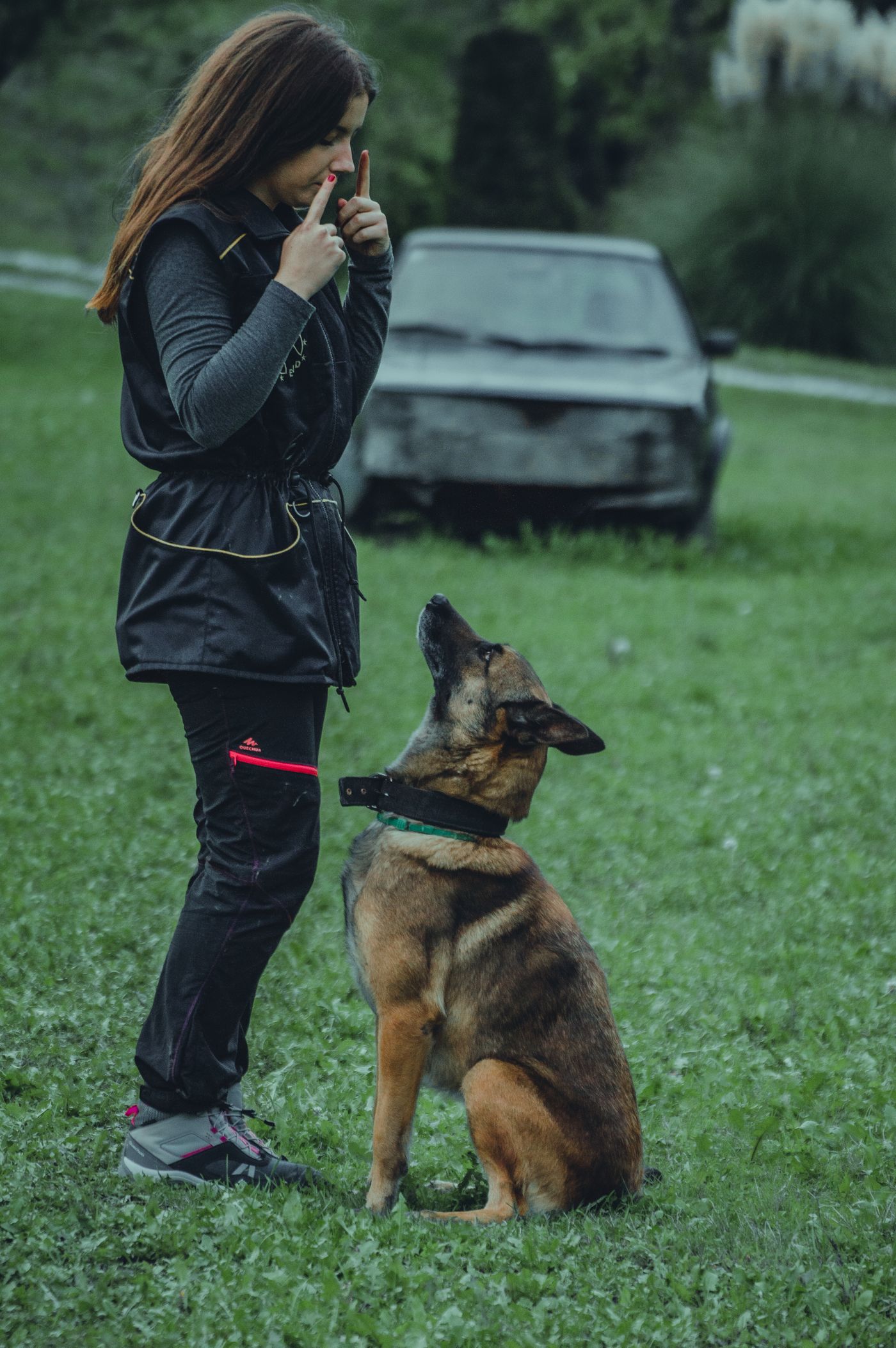
A newly arrived dog is learning the household from the first day, including the patterns you did not intend to teach. Consistent meals, rest and toilet opportunities create a useful foundation. Introduce practical skills with gentle management rather than beginning with a demanding list of tricks.
Five safety foundations
- Name response: reward looking toward you when the name is spoken once.
- Recall: practice short, happy returns in a secure space.
- Wait: teach a brief pause and a release cue while doors remain physically managed.
- Leave it: reward turning away from a harmless distraction.
- Drop: exchange a safe item for something better, avoiding a chase or tugging contest.
Four skills for daily life
- A toilet routine: offer frequent visits to the same suitable area and reward after finishing.
- Sit: use a gentle lure or capture a natural sit without pressing the body.
- Down or settle: reward a comfortable resting position on a non-slip surface.
- Loose-leash walking: begin with a few rewarded steps and include sniffing breaks.
Keep the learning environment simple
Use short sessions, small rewards and consistent words. Everyone in the household should agree on the behavior to encourage. Prevent access to dangerous items and use gates or supervised spaces so the dog does not repeatedly practice unwanted habits.
A dog that is frightened, overtired or uncomfortable may not be ready to learn. Give it rest and lower the difficulty.
Seek professional help for significant fear, guarding or distress when alone. These concerns need an individual plan, not stronger corrections. These nine foundations are options to introduce gradually, not a checklist that must be completed in the first week. Begin with safety, rest and toileting, then add the skills your dog is comfortable practising.
ONE THING TO TAKE WITH YOU
Prioritize safety and routine, and let confidence grow before adding harder challenges.
FURTHER READING
Editorially checked on 23 November 2026. Sources are provided for further reading; this is not an individual veterinary assessment.