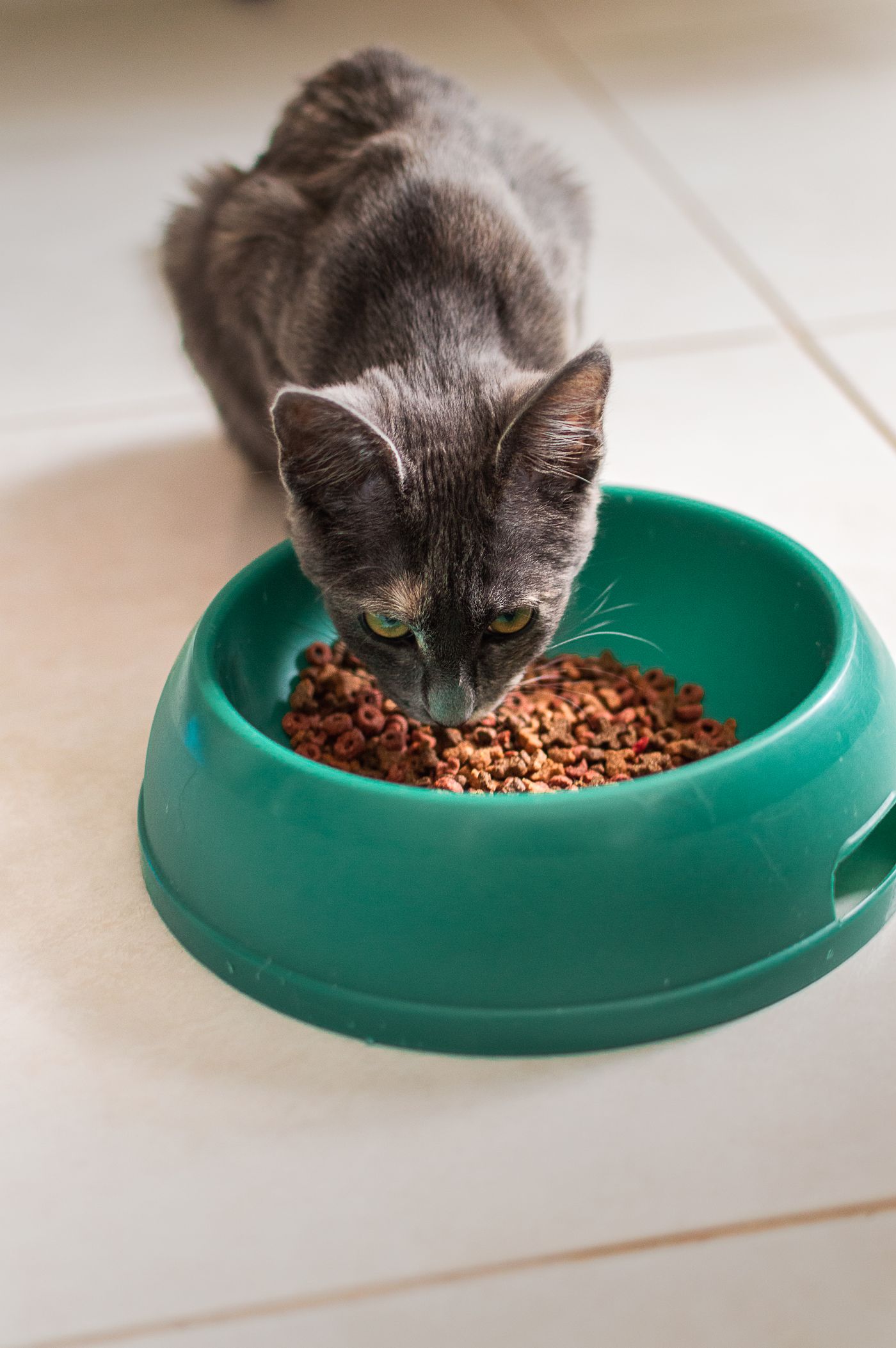
The most eye-catching wording on a food pack may not answer the most useful feeding questions. Start with suitability for your animal and the energy the food supplies. Then use the rest of the label to compare claims in the context of the complete diet.
Find the nutritional purpose
Look for a statement that the food is complete and balanced for the intended species and life stage, using the relevant standard in your market. Products labeled for complementary, supplemental or intermittent feeding are not automatically suitable as the sole diet.
Growth, adult maintenance and specific medical needs are different tasks. Ask your veterinarian when a therapeutic diet or specialist advice is appropriate.
Read calories and feeding guidance
Find the energy content per weight, can or cup. The feeding chart is a starting point, not a guarantee of the right portion for every pet. Measure servings and adjust with body condition, weight trend and professional guidance.
Put ingredients in perspective
Ingredients are generally listed by weight before processing. Water content and ingredient splitting can affect the order, so the first three names alone do not prove quality. Appropriately processed by-products can supply useful nutrients; unfamiliar ingredient names are not automatically harmful.
Compare analysis carefully
Wet and dry foods contain very different amounts of water. As-fed percentages cannot be compared directly without considering moisture, and guaranteed minimums or maximums do not describe every detail of the formula.
Ask better questions
Look for a manufacturer that can explain formulation expertise, quality control and how to contact it. Terms such as 'premium' or an appealing package design are not substitutes for that information.
Keep the label and lot number when opening a new bag. They are useful if you have a product question or need to check a recall.
ONE THING TO TAKE WITH YOU
Prioritize complete nutrition, appropriate life stage and calories before judging a food by its front label.
FURTHER READING
Editorially checked on 23 November 2026. Sources are provided for further reading; this is not an individual veterinary assessment.
General editorial information. Your veterinary team can advise on the needs and health of your individual pet.