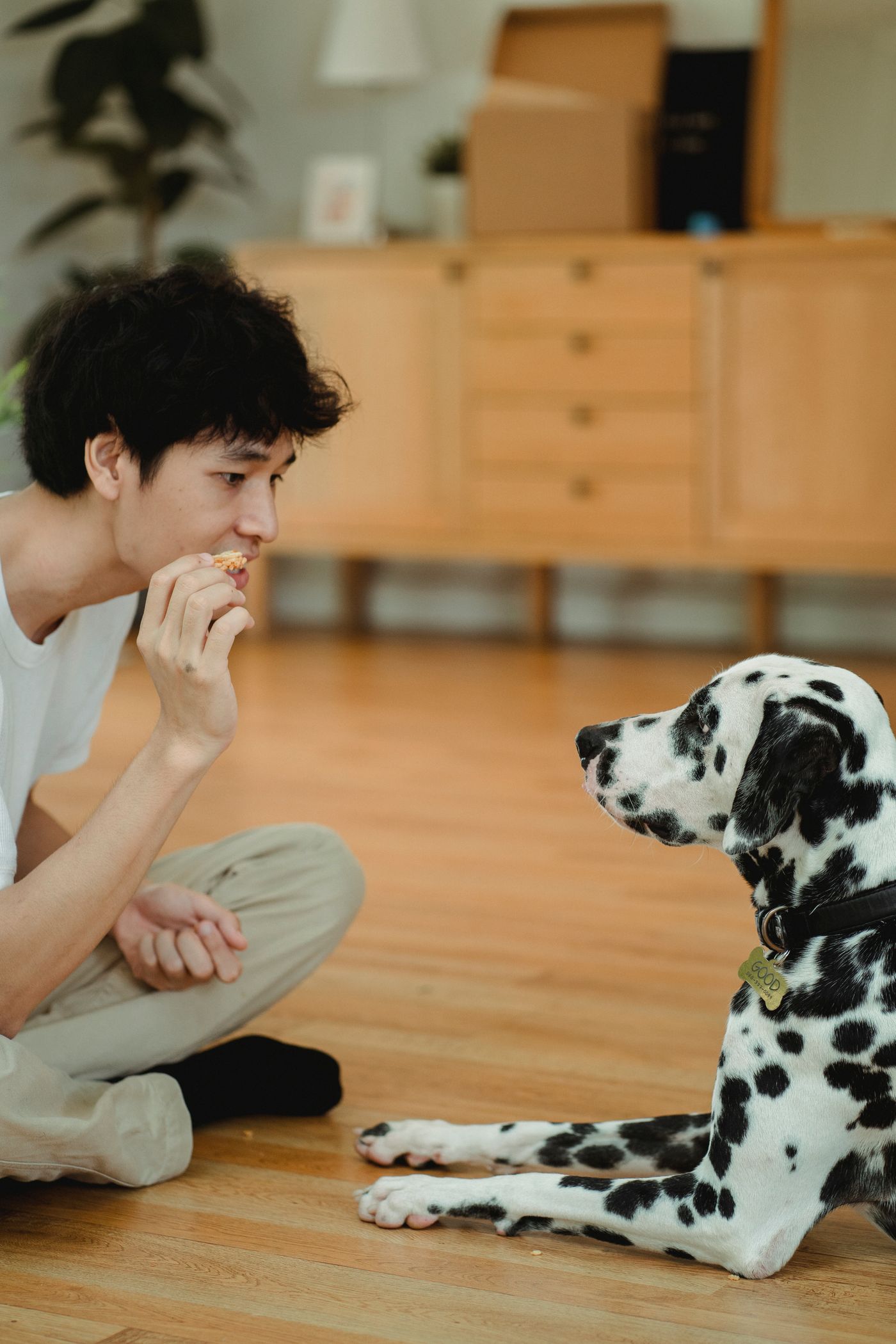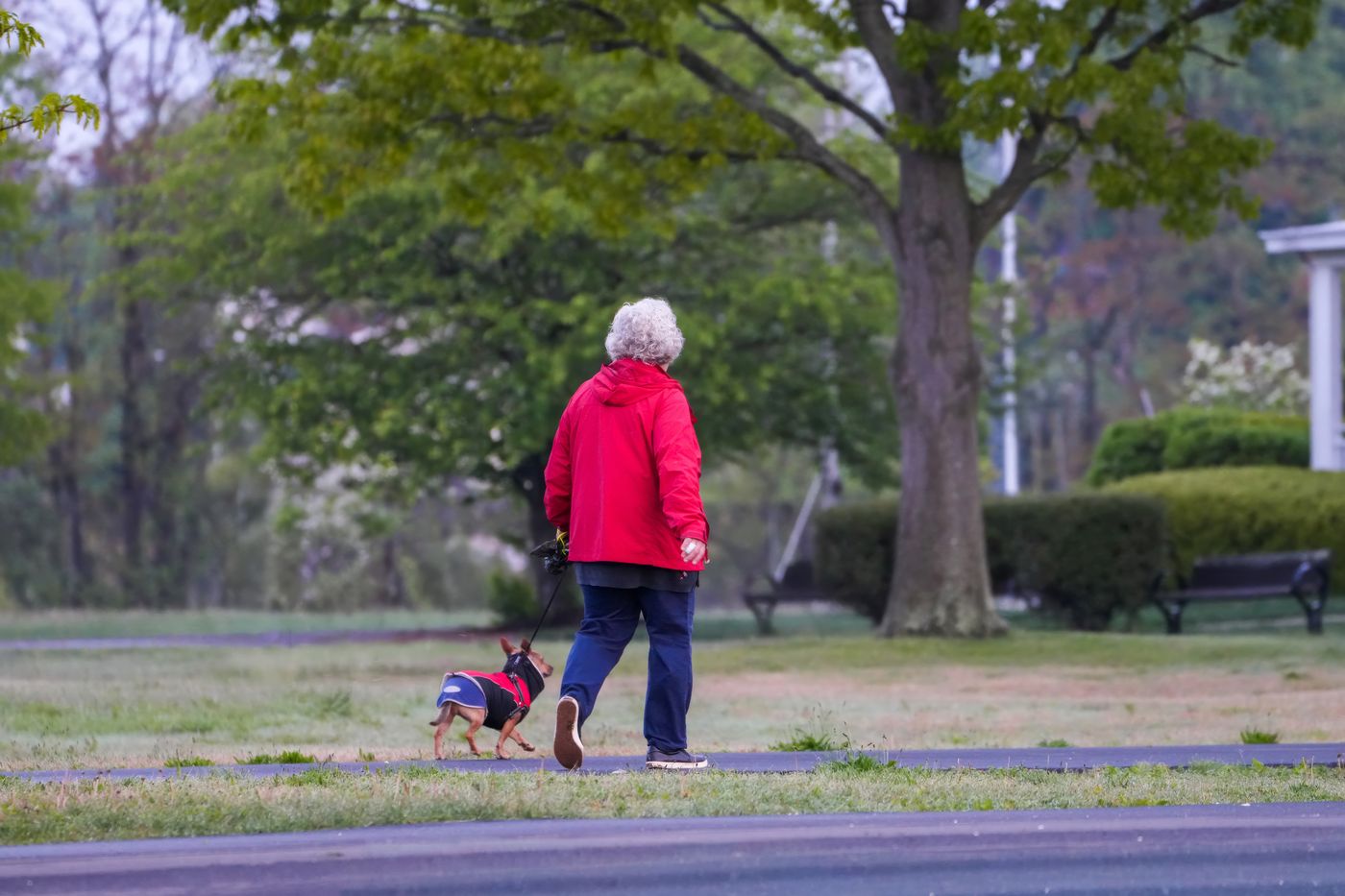
A short outing can still offer a chance to toilet, investigate and move comfortably. A ten-minute routine is one way to make a busy moment useful, not a complete daily exercise prescription for every dog. Adapt the structure to the animal and the day.
Begin with an unhurried pause
Use the first part of the outing for toileting and safe sniffing. Sniffing is meaningful mental activity, not wasted time. Let your dog become comfortable with the surroundings before asking for focused work.
Add easy movement
Walk at a comfortable pace along a safe route. A gentle incline may suit a fit dog, but it is optional and should not be used to force intensity into a short session. Puppies, seniors and dogs with medical conditions may need a different approach.
Practice one small skill
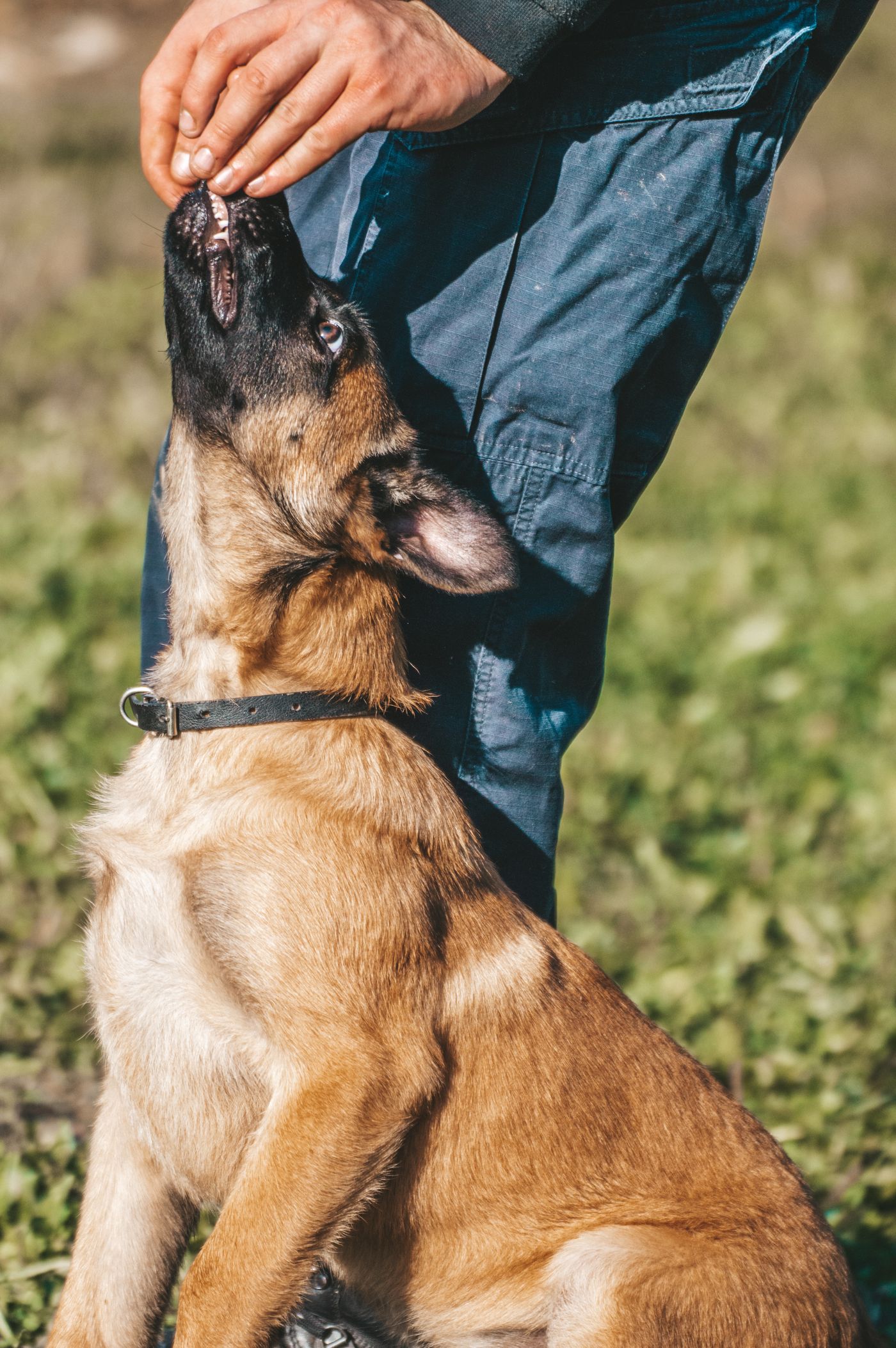
Reward a few loose-leash steps, an easy check-in or a brief wait. Keep the skill familiar and the repetitions short. Training should add interest rather than take away every opportunity to explore.
Finish calmly
Allow another sniffing pause and return at a pace that leaves the dog comfortable. Offer water and rest as needed. Avoid sudden sprint intervals, repeated jumping or frantic fetch simply to make the outing 'count.'
Later in the day, provide additional activity, companionship and toilet opportunities appropriate to your dog. On days when weather or health limits outdoor time, gentle indoor enrichment can add variety. Quality helps, but it does not erase the need for sufficient care across the whole day.
ONE THING TO TAKE WITH YOU
Use a short walk thoughtfully while still meeting the dog's overall daily needs.
FURTHER READING
Editorially checked on 23 November 2026. Sources are provided for further reading; this is not an individual veterinary assessment.