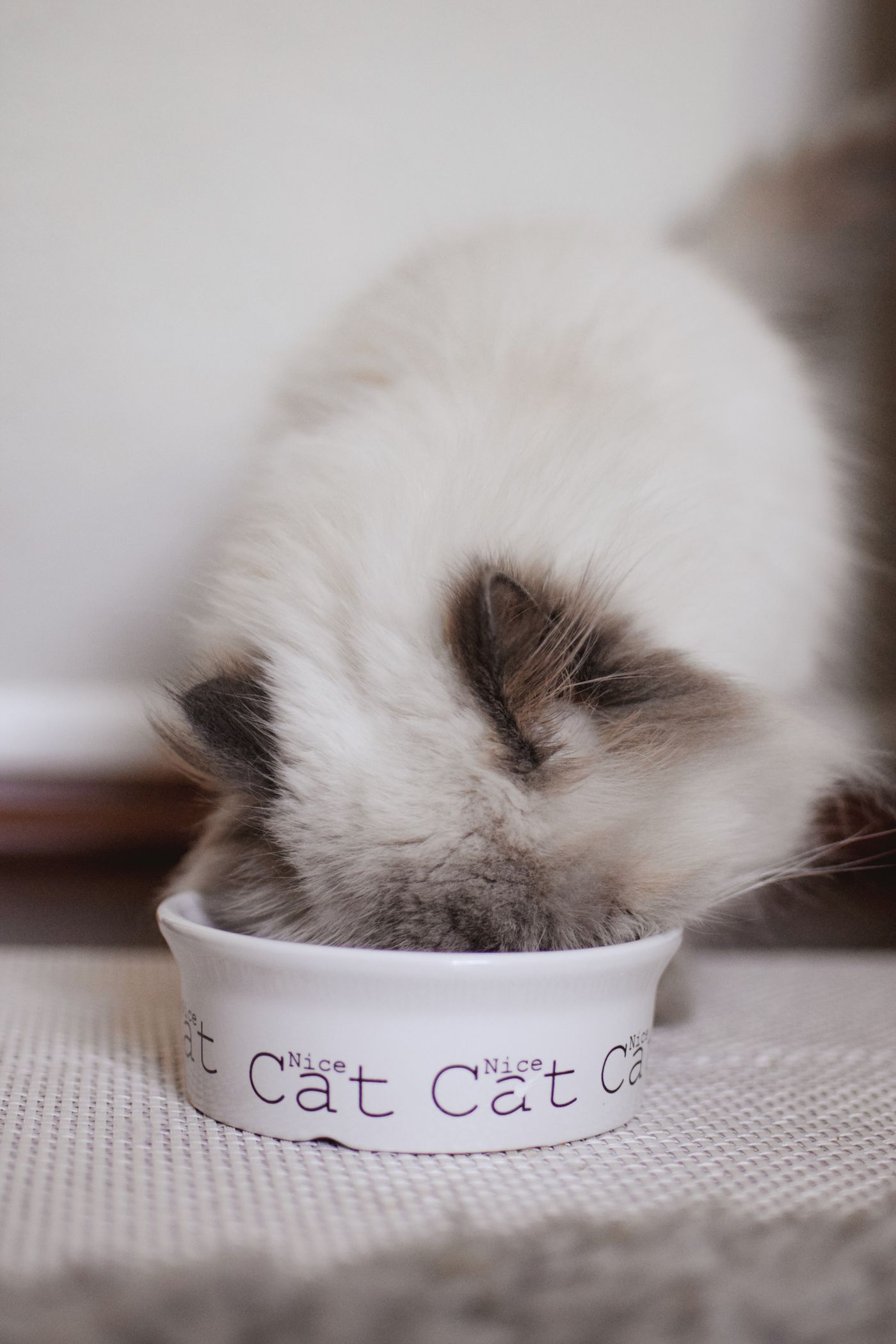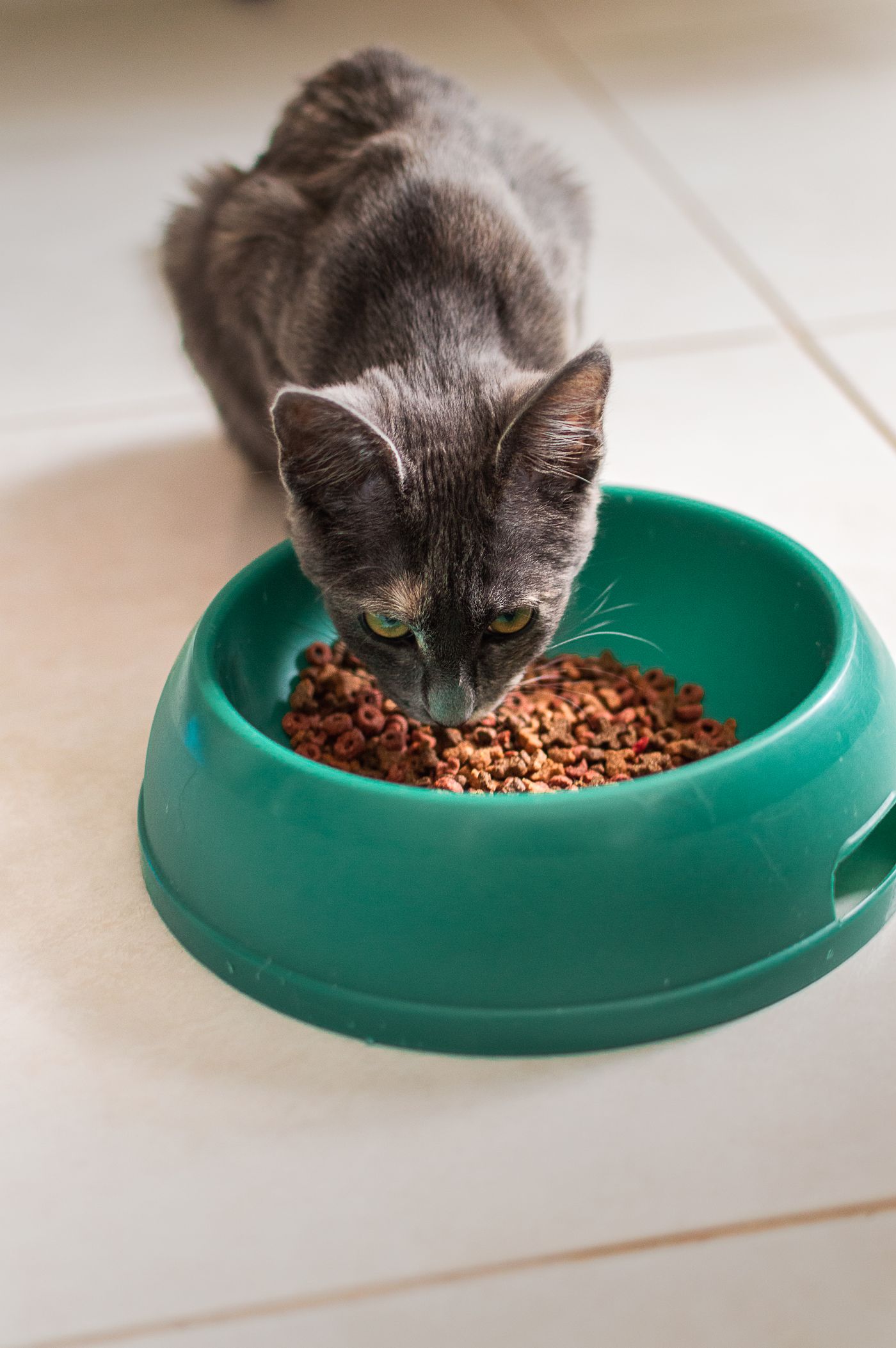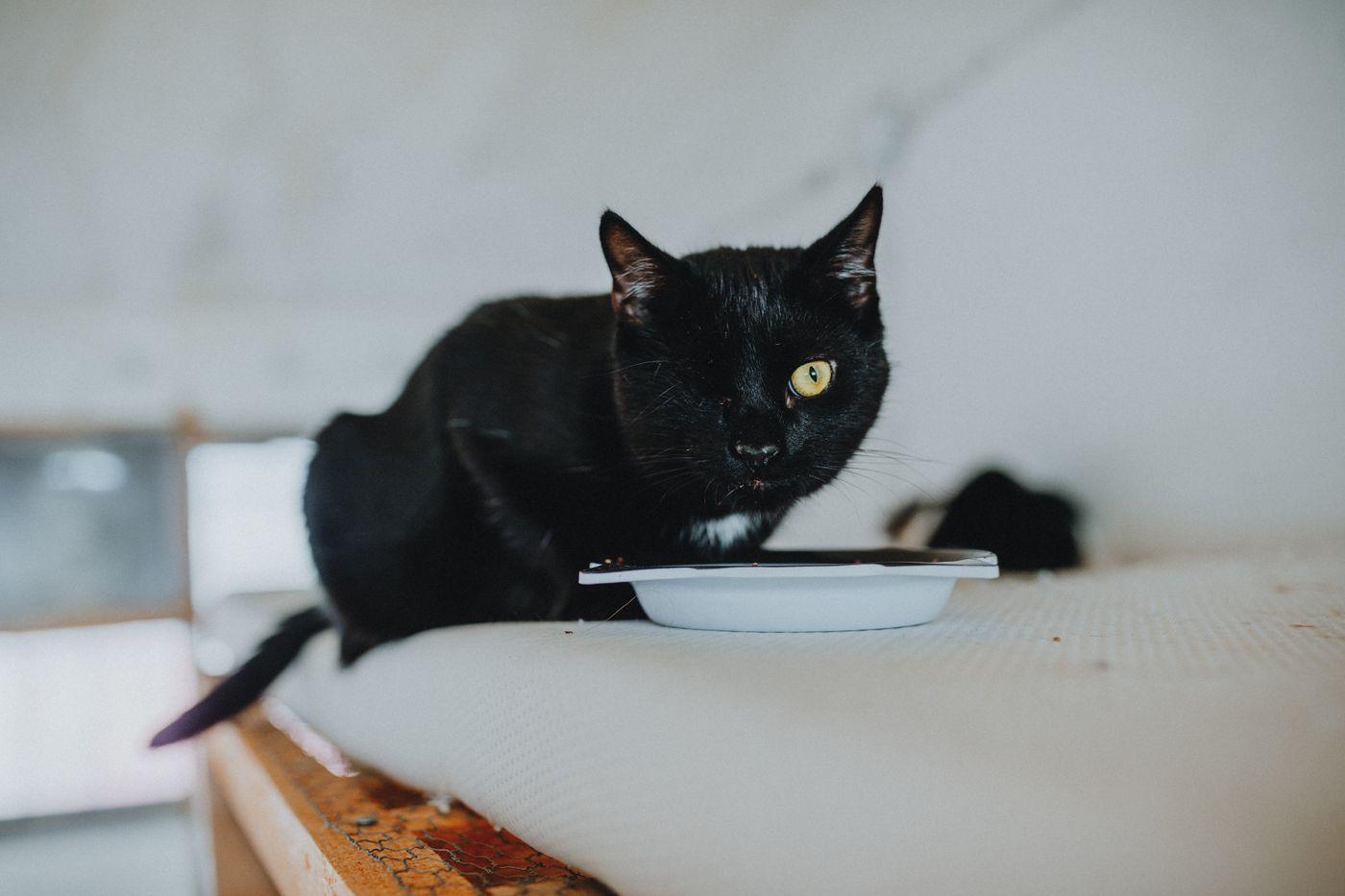
Complete wet food, complete dry food and an appropriate combination can each fit a cat's routine. The choice depends on health, preferences and how the total diet is planned. Compare the contribution of each format rather than treating one as the universal answer.
What wet food offers
Wet food supplies more moisture and can be appealing to cats that prefer soft textures. It needs appropriate refrigeration after opening and should not sit out indefinitely. Check that the product is a complete food rather than a complementary pouch or topper.
What dry food offers
Dry food can be convenient for measured meals and some feeding puzzles. It is often calorie-dense, so small portion errors can add up. Fresh drinking water remains essential. Ordinary kibble should not be assumed to clean teeth like brushing or a specifically evaluated dental diet.
How to combine them thoughtfully
Calculate the combined calorie allowance rather than adding a full wet-food portion to an unchanged dry-food ration. Use the package energy information and ask your veterinarian for an appropriate target. Introduce changes gradually and monitor intake, stool and weight.
Let health guide exceptions
Cats with urinary, kidney, digestive or other medical conditions may need a particular nutritional plan. More water alone does not prevent every urinary problem, and a food change should not replace treatment.
If your cat rejects a new texture, preserve adequate intake and take a gradual approach. Do not force a prolonged hunger strike. A successful menu is complete, well tolerated and practical enough to maintain consistently.
ONE THING TO TAKE WITH YOU
Choose complete foods, count the combined calories and adapt the format to your cat's health and preferences.
FURTHER READING
Editorially checked on 23 November 2026. Sources are provided for further reading; this is not an individual veterinary assessment.
General editorial information. Your veterinary team can advise on the needs and health of your individual pet.