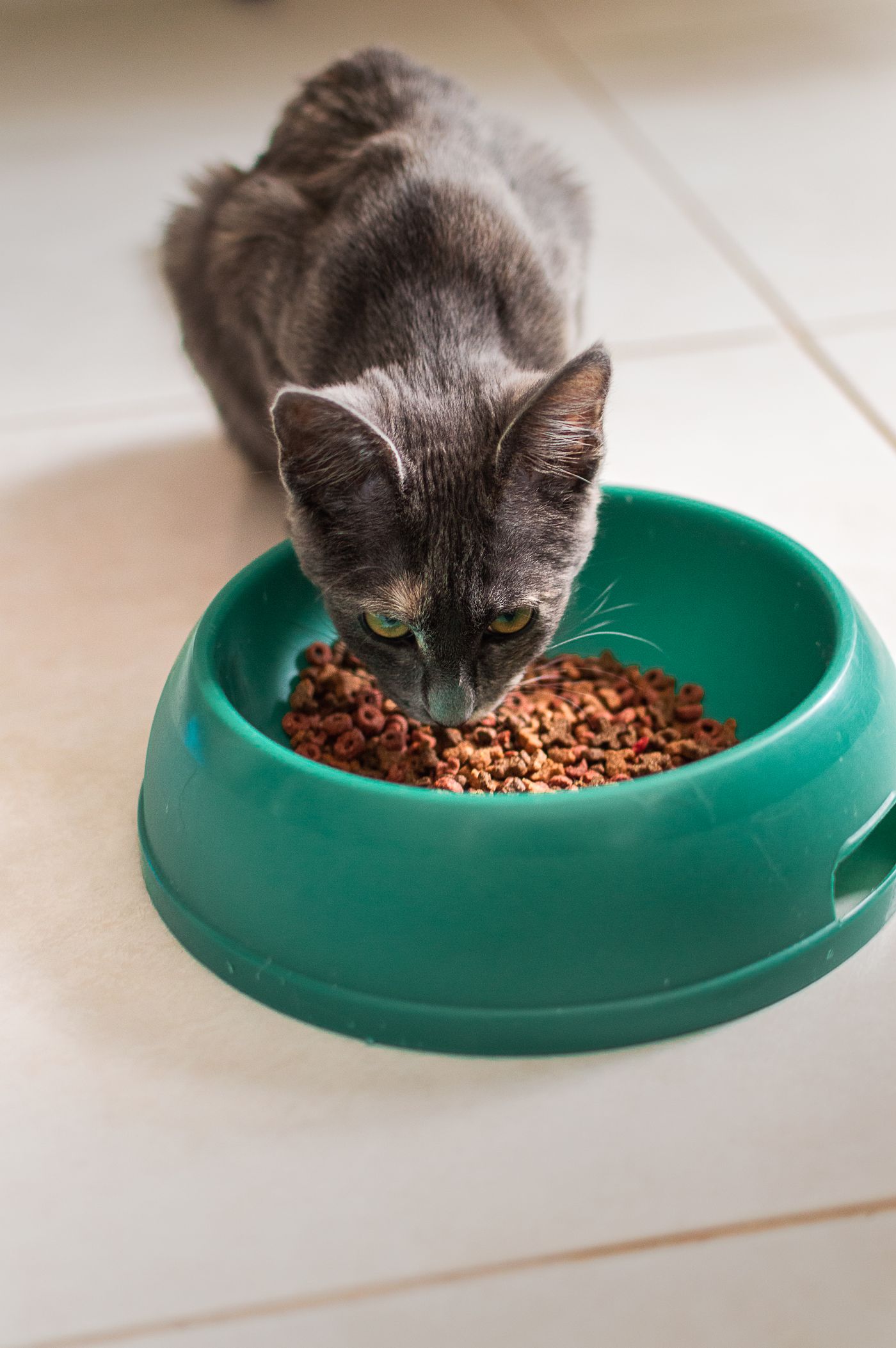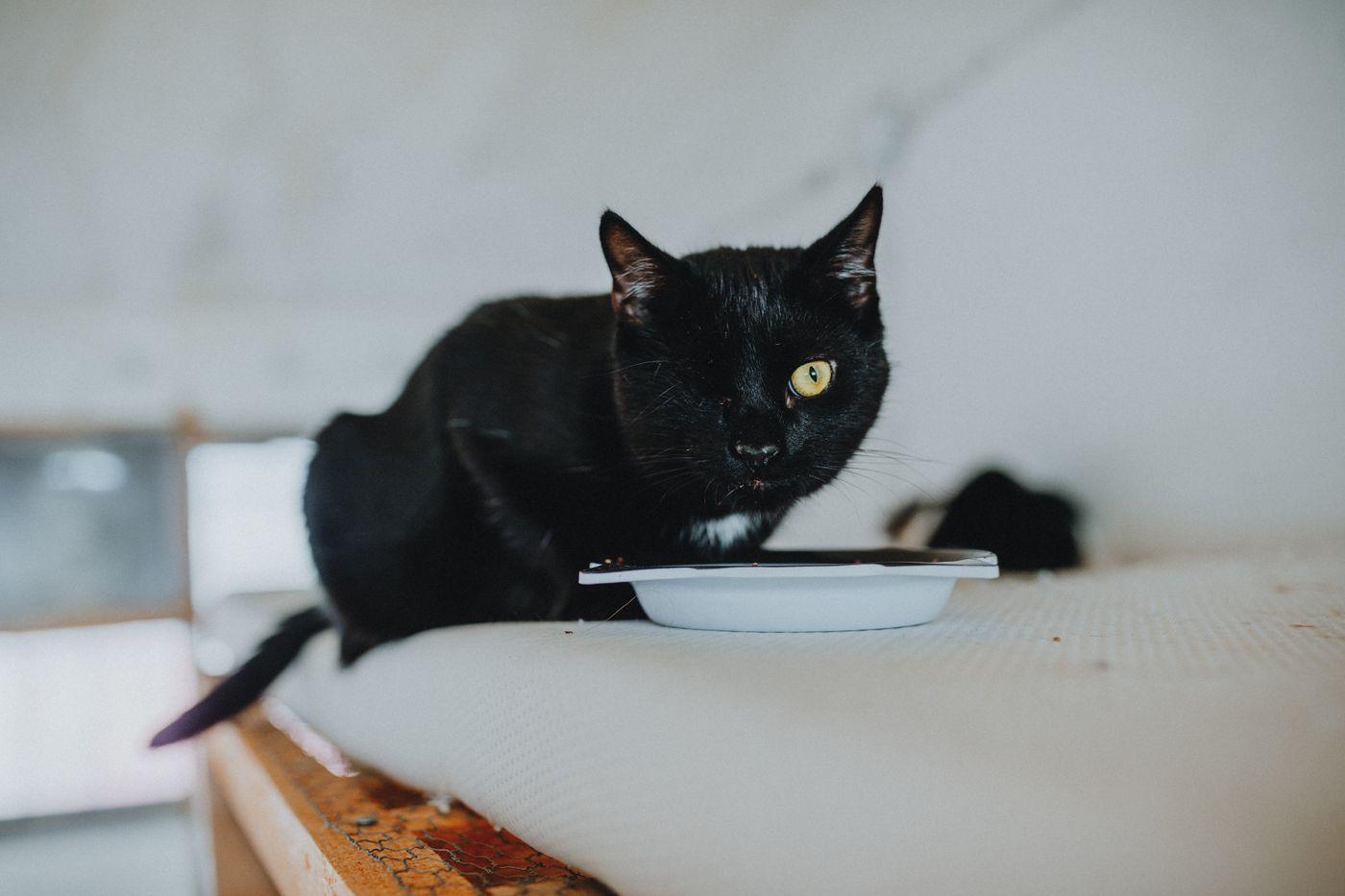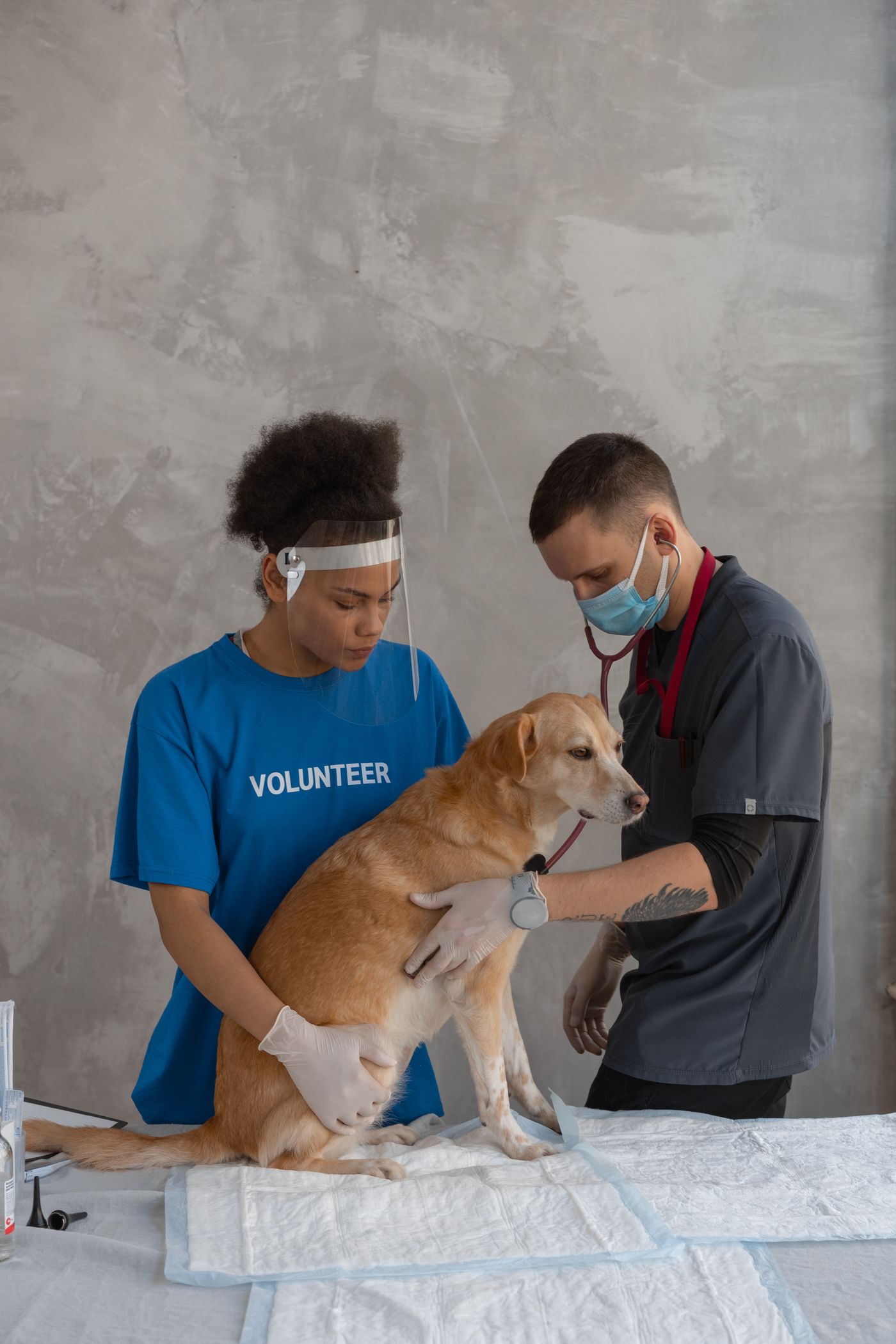
Body weight becomes more useful when it is considered alongside frame, muscle and body condition. The same number can describe very different animals, particularly under thick coats. Use a kinder, measured assessment to decide whether a weight-management conversation is needed.
Look and feel together
Ask your veterinary team to demonstrate a body-condition assessment. Generally, ribs should be felt without heavy pressure, with a visible waist appropriate to the animal's shape. Consider muscle as well as fat, particularly in older pets. A cat's normal abdominal pouch is not by itself a diagnosis of obesity.
Record the starting point
Weigh consistently and keep a simple food diary. Include all meals, chews, training rewards and snacks from other people. In multi-pet homes, check whether one animal is eating another's portion.
Create a measured plan
A veterinarian can help set an appropriate target and daily calorie allowance. Weigh portions, choose a complete diet suited to the goal and arrange follow-up. Large reductions in ordinary food may also reduce essential nutrients, so a weight-management diet may be preferable in some cases.
Never crash-diet a cat or let it stop eating as part of a weight-loss strategy.
Make movement achievable
Add short, enjoyable activities suited to mobility: sniffing walks for dogs, gentle play and accessible climbing for cats. Increase gradually and address pain that makes activity difficult.
Judge progress by more than appearance
Track comfort, energy, muscle and the agreed weight trend. The goal is sustainable health, not the fastest possible reduction. Adjust the plan with your veterinary team when progress is too slow, too rapid or accompanied by illness.
ONE THING TO TAKE WITH YOU
Assess body condition and use a gradual, nutritionally complete plan with regular checks.
FURTHER READING
Editorially checked on 23 November 2026. Sources are provided for further reading; this is not an individual veterinary assessment.
General editorial information. Your veterinary team can advise on the needs and health of your individual pet.