An interesting indoor environment offers more than a pile of toys. Cats need opportunities to chase, stalk, scratch, climb and rest in ways they choose to use. Follow your cat's interests and adapt a few practical activities rather than expecting every new purchase to appeal.
Make play feel like a hunt
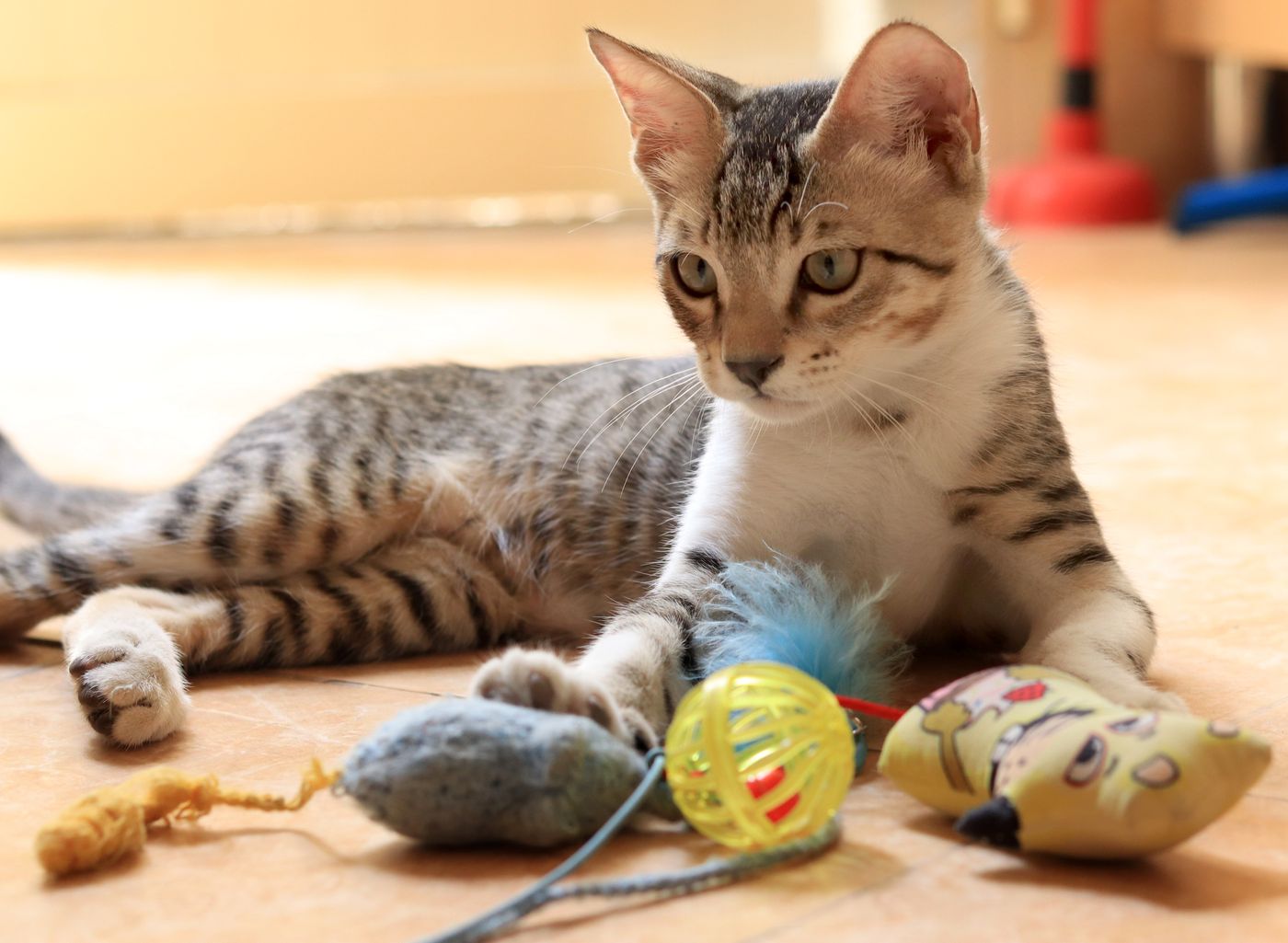
Move a wand toy away from the cat, pausing behind a cushion or box so it can stalk and pounce. Allow regular catches. Short sessions often work better than prolonged chasing, especially for kittens and older cats. Adjust jumping and speed to your cat's mobility.
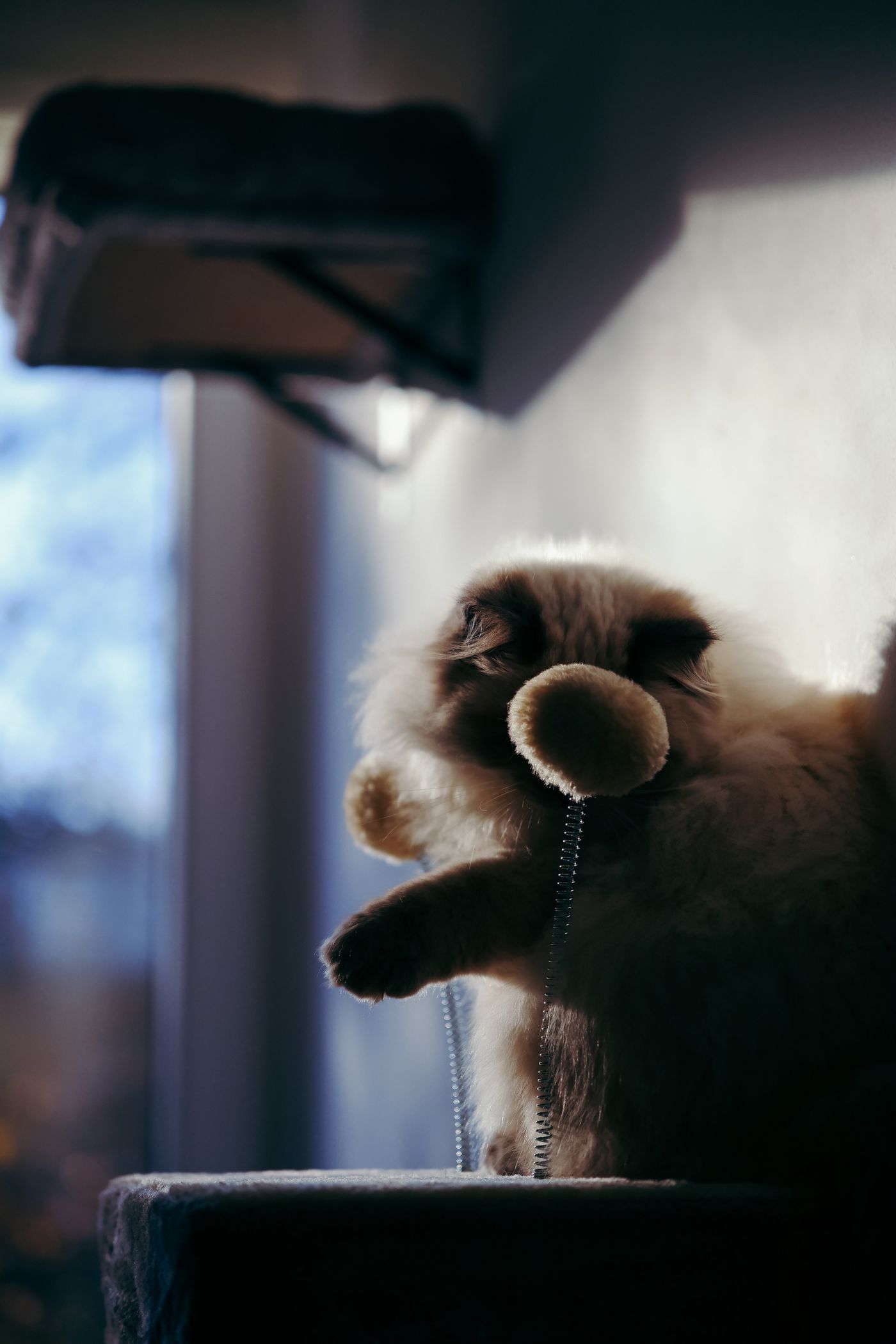
A physical toy that your cat can stalk and catch is a straightforward choice. If a laser is used, keep it away from eyes and end with a catchable toy; stop if the game creates frustration. Put string, ribbons and wand toys away after supervised play.
Design a small activity landscape
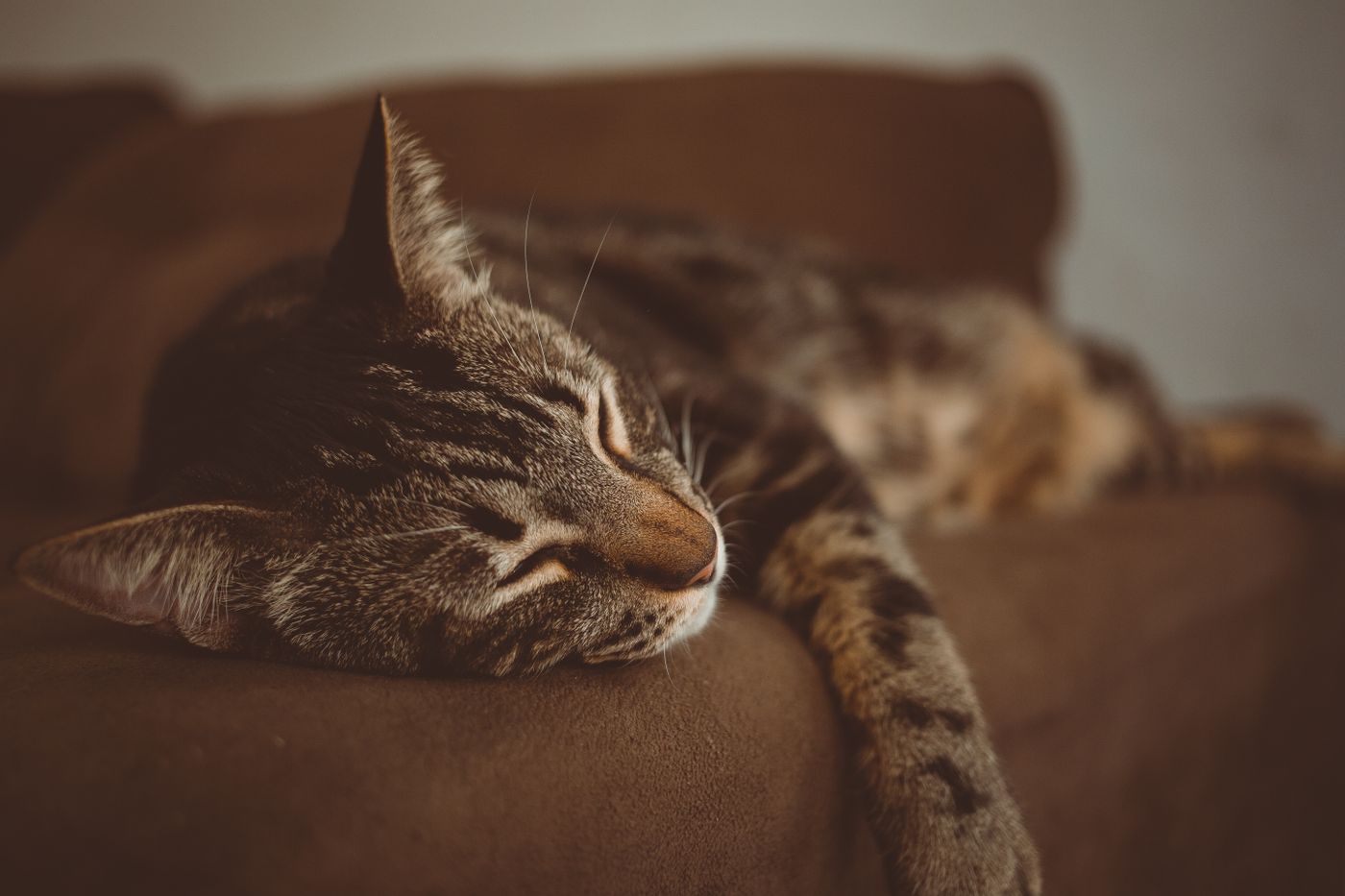
Offer a stable scratching post, a horizontal scratching surface and a secure elevated resting place. Cardboard boxes can become hiding spots or tunnels after staples, tape and loose pieces are removed. Place furniture so the cat can reach favorite spots without difficult leaps.
Let meals add interest
Start with an easy puzzle or a few pieces of the daily food allowance placed in accessible locations. Make the task obvious at first. A puzzle should invite exploration, not prevent a hungry or unwell cat from eating.
Rotate and observe
Keep a few safe toys available and rotate others to renew interest. Inspect them for loose parts and damage. Some cats prefer quiet games; some respond little to catnip. A sudden loss of interest, particularly with reduced appetite or movement, deserves attention rather than a more exciting purchase.
ONE THING TO TAKE WITH YOU
Offer variety, let your cat catch the toy, and adapt activity to its interests and body.
FURTHER READING
Editorially checked on 23 November 2026. Sources are provided for further reading; this is not an individual veterinary assessment.